
The retirement cliff in Australian geoscience: what the next decade of departures costs the exploration sector
Friday 22 May 2026
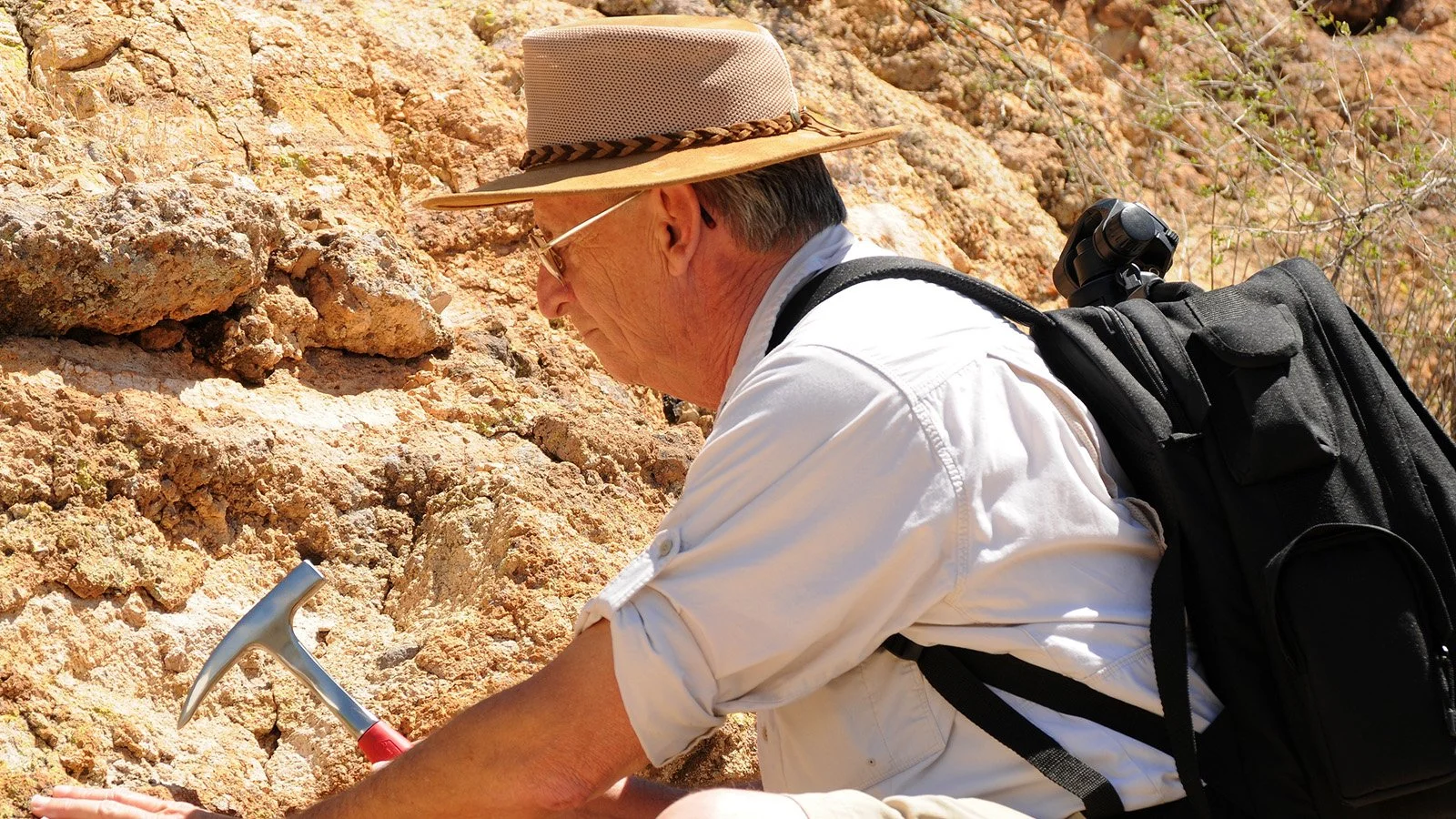
Mining's median workforce age in Australia is 41. Baby Boomers represent roughly 22 per cent of the sector. Over the next decade, the most experienced tier of geologists, the professionals who carry 25 to 35 years of deposit knowledge, structural interpretation expertise, and competent person signoff authority under the JORC Code, will exit the industry through retirement. The pipeline replacing them is not filling at the same rate, and the replacement lag is structural rather than cyclical.
Geoscience university enrolments across Australia have fallen 40 to 50 per cent over the past decade. RII mining qualification completions dropped 59 per cent between 2015 and 2020, with only partial recovery since. Only 10 per cent of the current mining workforce is Gen Z. The numbers describe a demographic funnel that is narrowing at the experienced end faster than it is widening at the entry level.
NSW uranium ban repeal vote: what it means for Australia
Thursday 21 May 2026
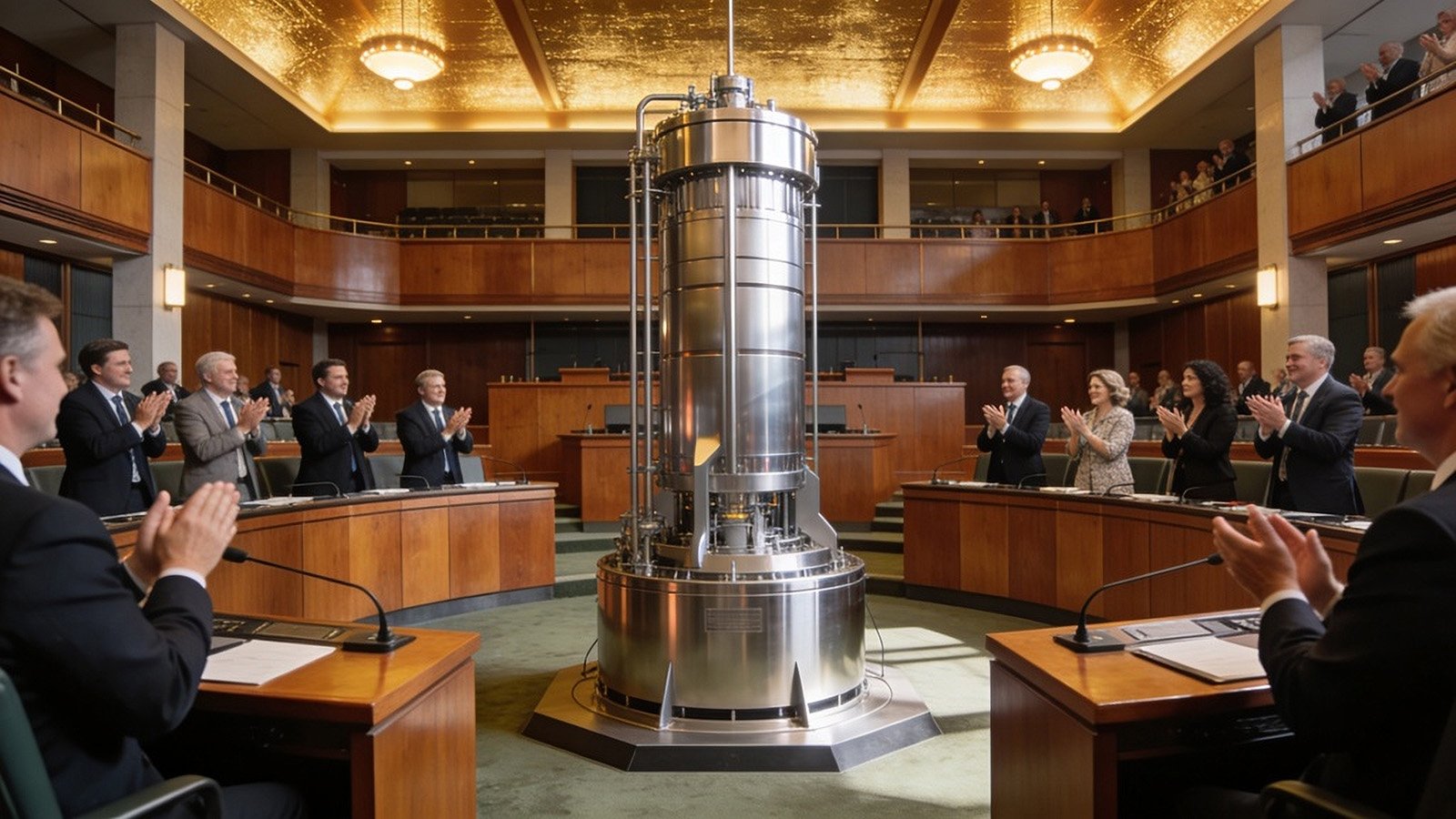
The New South Wales Legislative Council voted 21 to 19 on 6 May 2026 to pass the Uranium Mining and Nuclear Facilities (Prohibitions) Repeal Bill. The private member's bill, introduced by John Ruddick MLC, seeks to repeal the 1986 act that has banned both uranium mining and nuclear power facilities in the state for almost 40 years. It is the first time an Australian state parliament has successfully voted to end a uranium mining prohibition.
5 Tips to Stop Your Drill Core Getting Lost, Broken, or Delayed Before It Reaches the Lab
Wednesday 20 May 2026
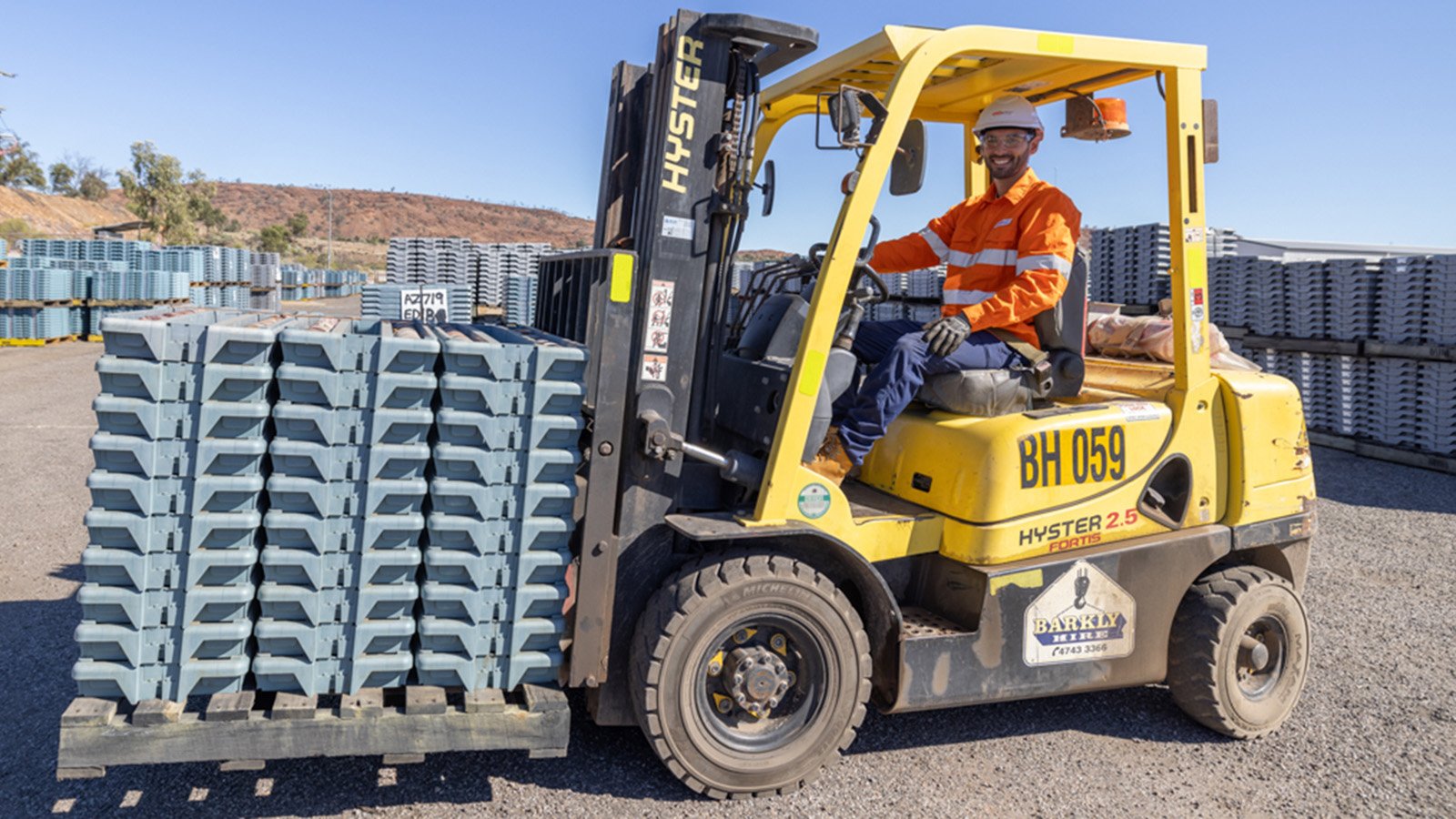
Diamond core drilling in Australia typically costs between $200 and $400 per metre. On a 5,000-metre exploration program, that represents well over a million dollars of investment sitting in core trays before a single assay result comes back. Yet for all the planning that goes into drilling, the journey from rig to laboratory is where samples are most vulnerable.
Australian uranium in 2026: the world's largest reserves, a state-by-state policy patchwork, and the workforce caught in between
Tuesday 19 May 2026
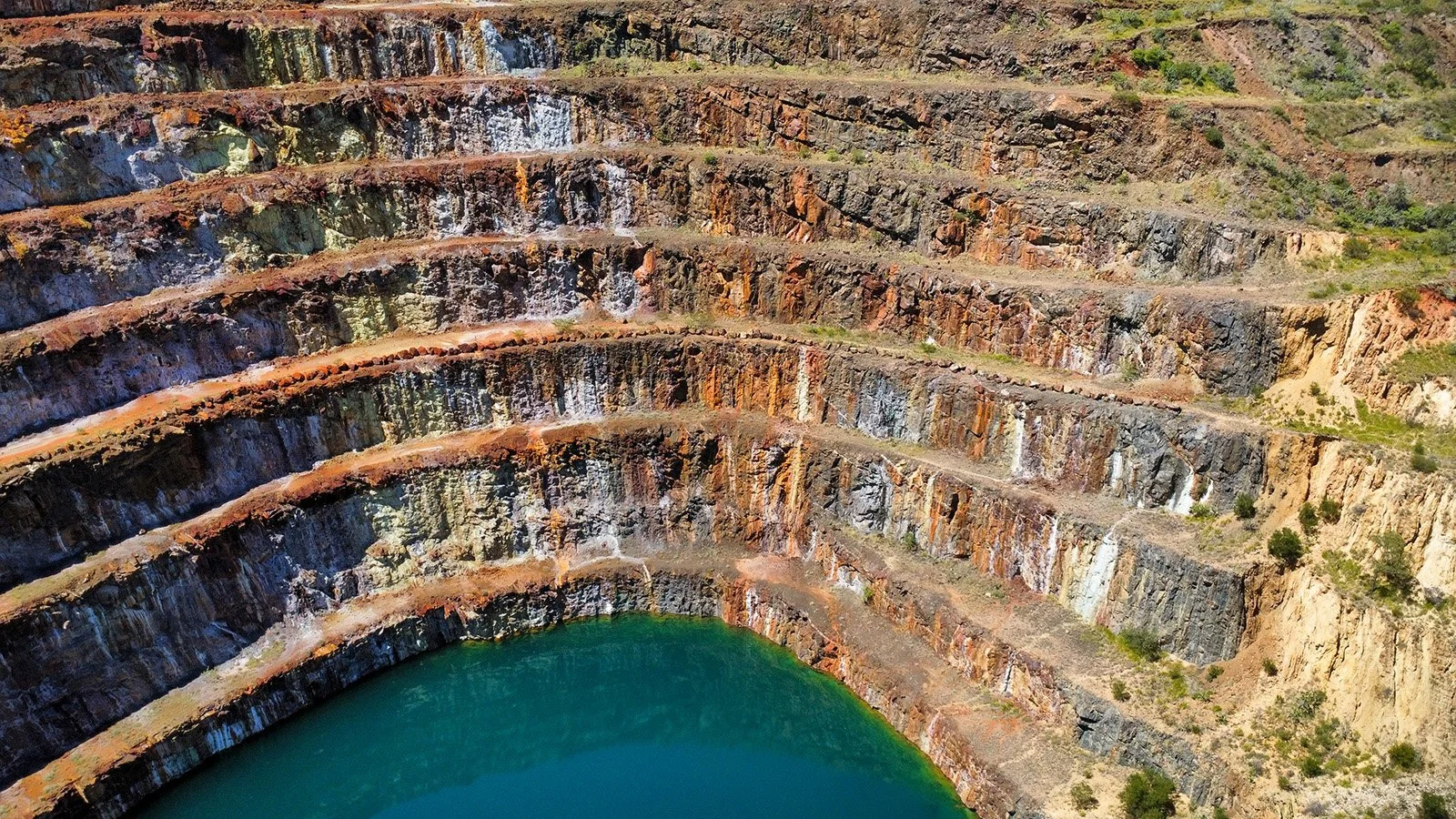
On 6 May 2026, the New South Wales Legislative Council passed a bill to repeal the state's 40-year uranium mining ban by 21 votes to 19. The bill now moves to the Legislative Assembly, where the Labor government has not indicated support. Whether or not the bill becomes law, the vote is a signal: the policy consensus that has kept most of Australia's uranium underground for decades is no longer unanimous.
When the Drill Bit Outperforms the Plan: Catalyst Metals and the Growing Case for Cinnamon
Monday 18 May 2026
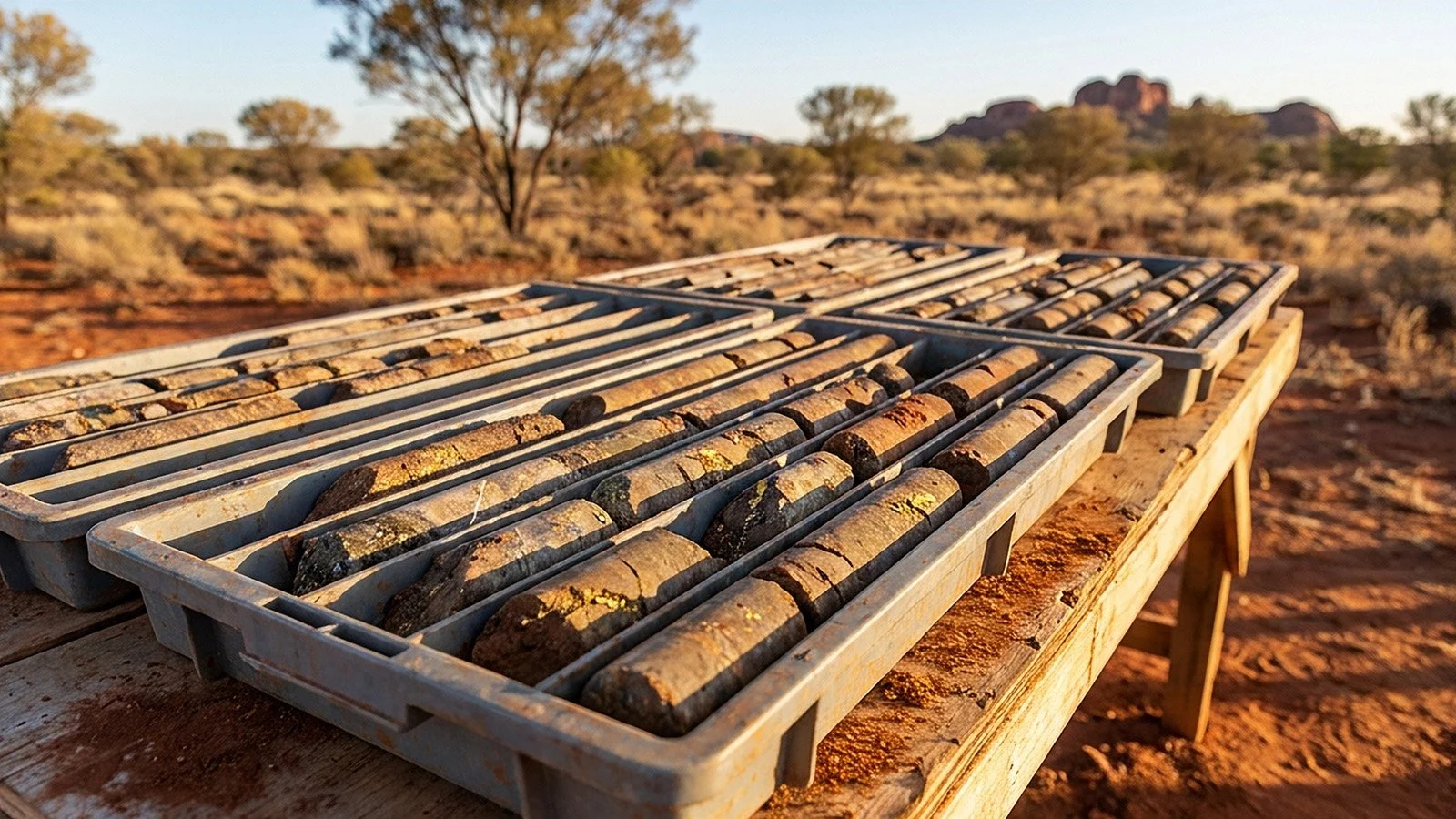
Most gold producers grow their reserve base one of two ways: they acquire another company, or they keep drilling. Catalyst Metals (ASX: CYL) is doing the latter, and last week's results from the Cinnamon deposit on the Plutonic Gold Belt in Western Australia showed exactly why that strategy is working.
On 13 May 2026, Catalyst reported that the underground strike length at Cinnamon had grown to 700 metres. That is up 75% from the 400 metres previously reported. More importantly, the drilling that confirmed this growth returned some of the strongest intersections seen at the deposit to date.

Gold sector consolidation 2026: the Regis-Vault A$10.7 billion merger and the workforce reshuffle it triggers
Friday 15 May 2026
Regis Resources and Vault Minerals announced a merger on 5 May 2026, creating a combined entity valued at A$10.7 billion. Annual production will exceed 700,000 ounces from five Western Australian operational hubs. The merged company holds six million ounces in ore reserves, a mineral resource base of 20.5 million ounces, and generates A$1.7 billion in annualised cash with no debt. It becomes Australia's third-largest primary ASX-listed gold producer, behind Northern Star Resources and Evolution Mining.
The deal is the latest in a consolidation cycle that has reshaped the top end of the Australian gold sector. The question for the broader industry is what it means for the people who work in it.

Australia-Japan critical minerals partnership 2026: A$1.67 billion, six projects, and the workforce timeline
14 May 2026
On 4 May 2026, Prime Ministers Anthony Albanese and Sanae Takaichi formalised an elevated critical minerals partnership committing A$1.3 billion from Australia and A$370 million from Japan. The agreement names six projects across four states and the Northern Territory, and it lands in a quarter where Australia has already committed more than A$5 billion in critical minerals funding with the United States.
Combined, more than A$6.5 billion in bilateral critical minerals funding is now deployed or committed across Australian projects within a single quarter. The scale of capital activation is unprecedented in the sector's modern history, and the workforce consequences are already visible.
Downhole survey discipline for Australian exploration: five habits that protect your resource model
13 May 2026
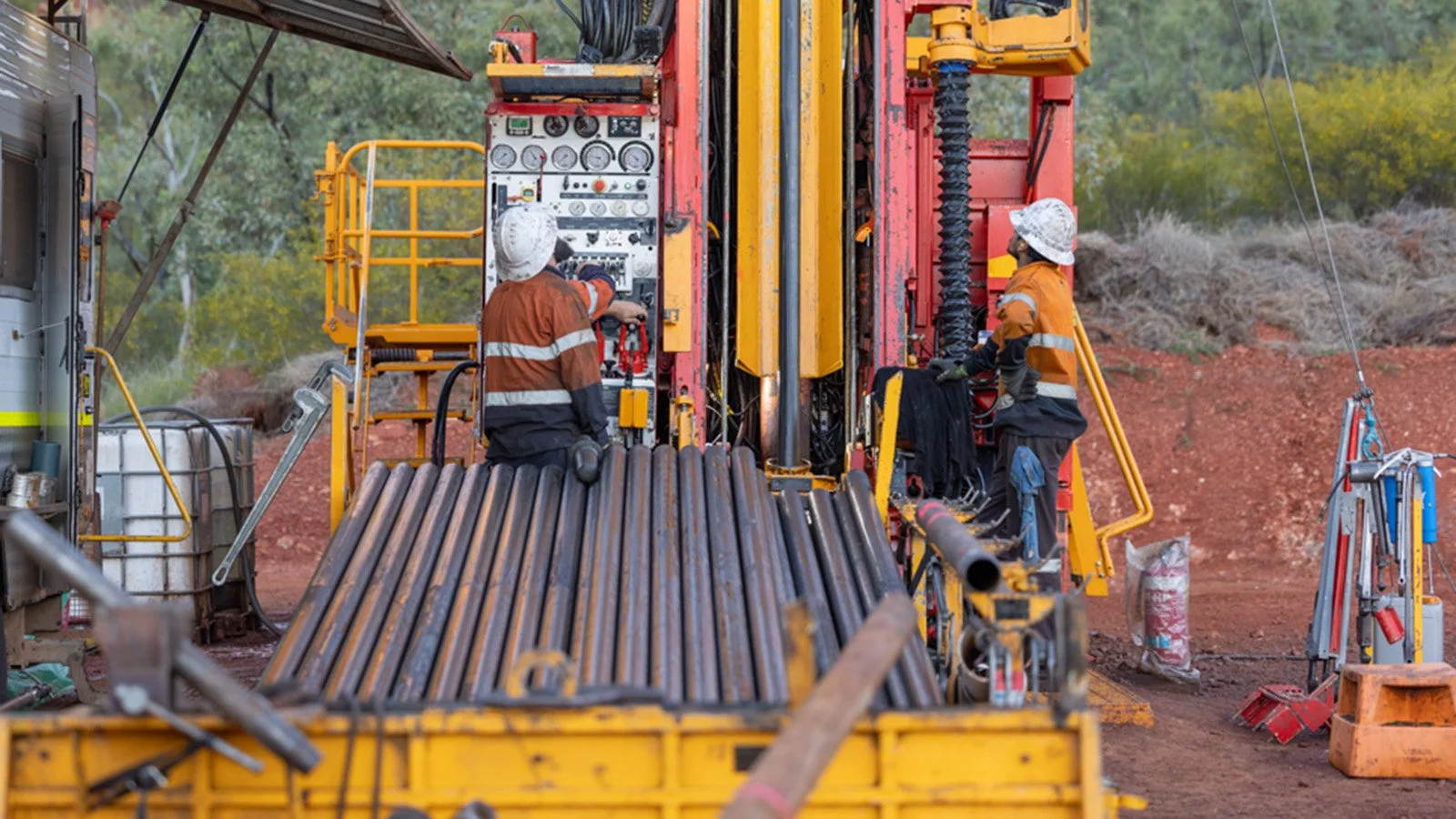
A drill hole without an accurate survey is a data point without coordinates. At 300 metres depth, a 2-degree deviation in azimuth can place the bottom of hole more than 10 metres from where the model assumes it sits. Multiply that across a 200-hole program and the interpreted geometry of an orebody shifts in ways that affect every resource block estimate and mine design built on that data.
The cost is not abstract. A resource model built on inaccurate hole geometries produces block estimates that misrepresent grade distribution, ore widths, and structural controls. The errors compound silently through the estimation process, and by the time they surface, typically at feasibility study or during early mining reconciliation, the cost of correction is measured in months of rework and, in serious cases, a downgrade of the resource confidence classification.
Downhole survey discipline is one of the most underrated controls in an exploration program. These five habits keep the geometry honest.

Australian gallium supply 2026: breaking China's 98% grip from alumina waste
12 May 2026
Gallium is invisible in the commodity conversation until you try to make a semiconductor without it. Gallium arsenide and gallium nitride chips run 5G infrastructure, military radar, LED lighting, and power electronics in EVs. China produces over 98 per cent of global primary gallium, and when Beijing restricted exports in 2023 and tightened controls through 2024, low-purity gallium prices surged from US$325/kg to US$420/kg. The suspension of the US export ban runs only until November 2026. The structural vulnerability has not changed.
Australia is now building a domestic supply chain from a source that already exists within its borders: alumina refining waste.
Island Gold project: highest-grade intersection redefines Murchison gold system as multi-lode corridor
Monday 11 May 2026
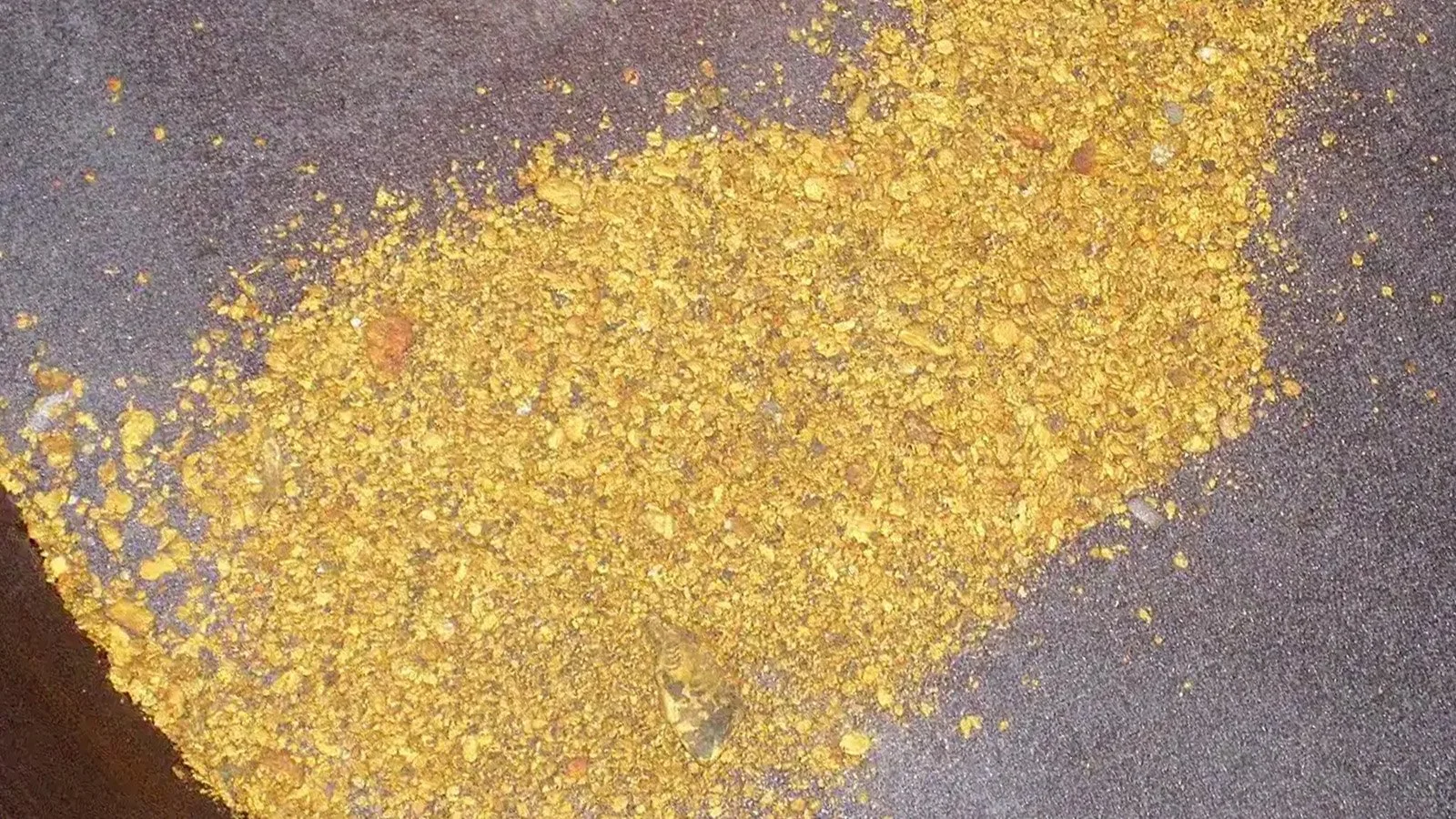
The Vadrians lode has been the story at Island Gold since the first high-grade hits started coming back. Drilled to over 400 metres depth and more than a kilometre of strike, it was already shaping into one of the more compelling emerging gold systems in the Murchison. Then hole 26IGRC010 landed 120 metres to the west, in a parallel hanging wall position nobody had yet tested, and returned 22m at 66.2 g/t Au from 42m, including 8m at 181 g/t. That is the highest-grade intersection in the project's history, and it did not come from Vadrians.
The 14-week bottleneck: why recruitment speed is now a competitive advantage in Australian mining
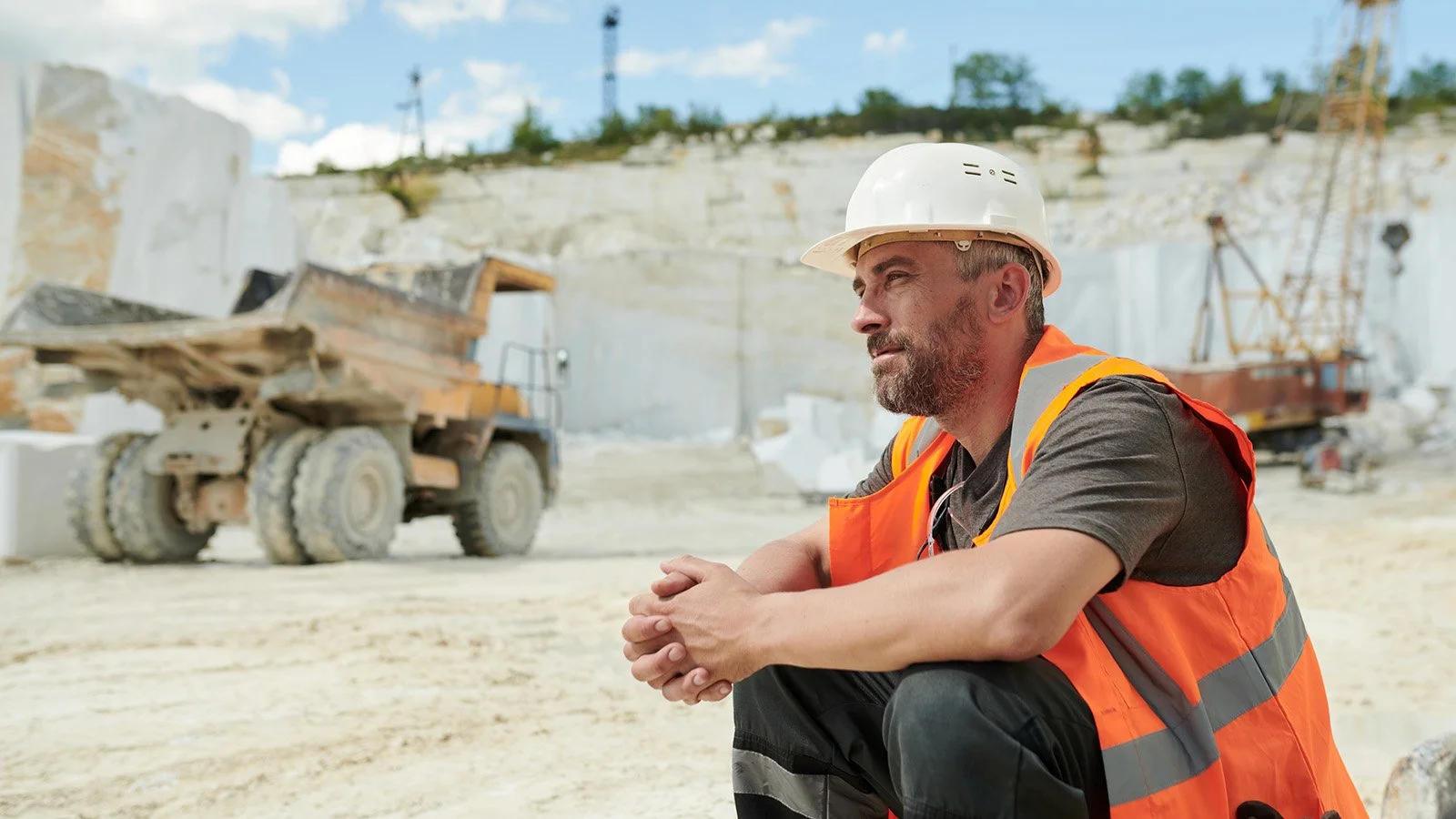
14 weeks. That is the current average time to fill a critical mining role in Australia, according to industry recruitment data from early 2026. In 2023, the equivalent figure was eight weeks. The near-doubling of recruitment lead times is not a blip. It is a structural shift that is now directly visible in project timelines, capital allocation decisions, and the competitive positioning of exploration and mining companies across the country.

A$5 billion in critical minerals funding: what simultaneous project activation means for Australia's mining workforce
In mid-April 2026, Australia and the United States committed more than A$5 billion (US$3.5 billion) to a pipeline of Australian critical minerals projects. The funding, channeled through Export Finance Australia and the US Export-Import Bank, nearly doubles the prior commitment under the bilateral framework signed in October 2025. It represents the largest single tranche of allied critical minerals investment directed at Australian mining, processing and refining.
QField setup for Australian exploration: five habits that protect your field database
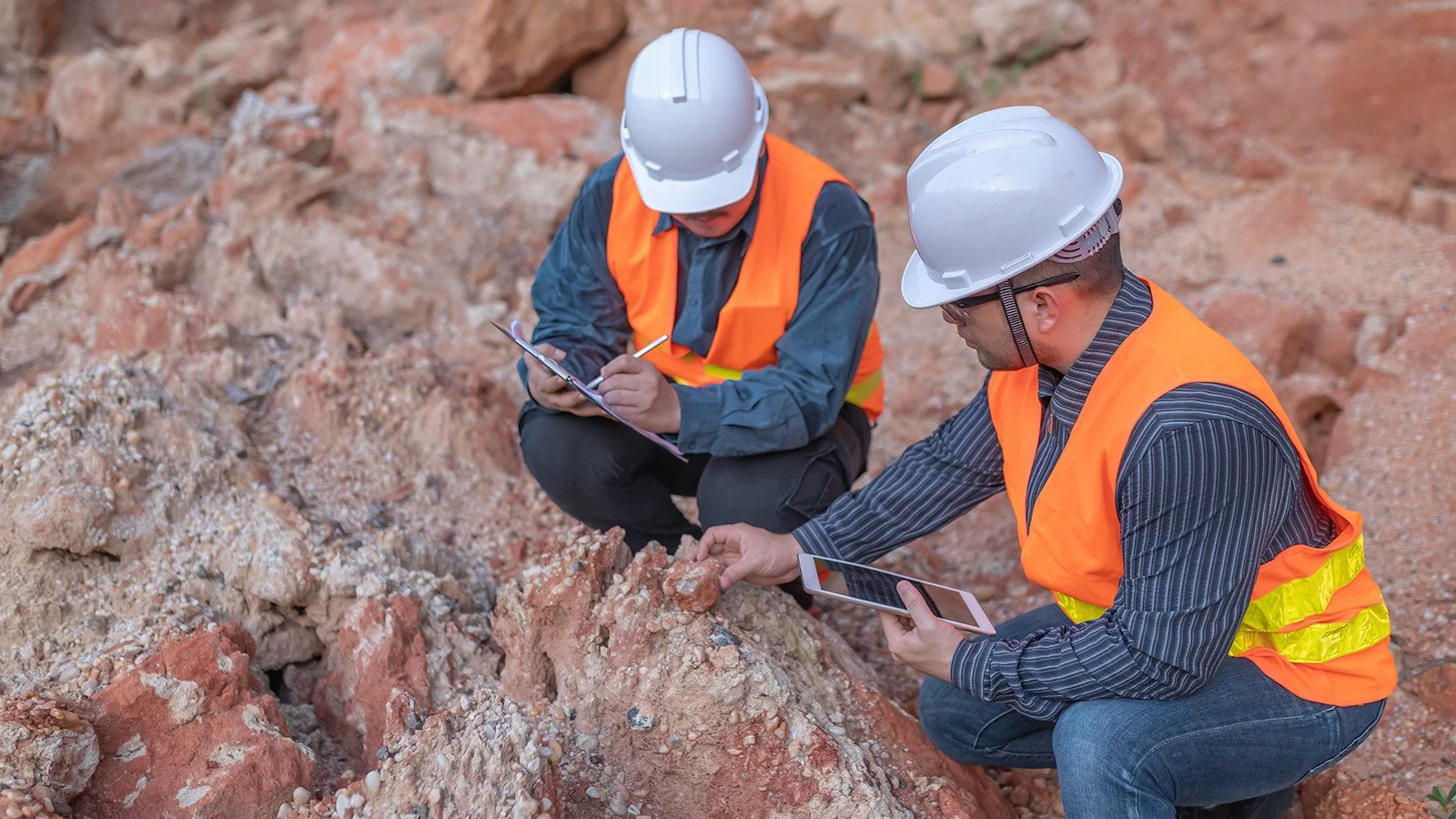
Up to 70 per cent of errors in exploration databases originate in the field. When those errors stem from inconsistent data entry across a team, they compound at every downstream stage: resource modelling, JORC-compliant reporting, feasibility studies, and ultimately investment decisions. The fix is not better geologists. It is better tools configured before anyone leaves the office.
Australia's manganese processing gap: what Bell Bay's collapse means for steel and battery supply chains
Australia is among the world's top five manganese producers. In 2022, the country produced 4,500 kt of manganese ore and holds 496,000 kt in economic demonstrated resources. Manganese is on the national Critical Minerals List, essential for both steelmaking and the emerging EV battery supply chain. And yet in March 2026, Liberty Bell Bay, Australia's only manganese alloy smelter, entered voluntary administration.
The implications extend well beyond a single Tasmanian plant.
Plutonic Gold Belt: depth extensions at Old Highway and Cinnamon point toward a longer mine life
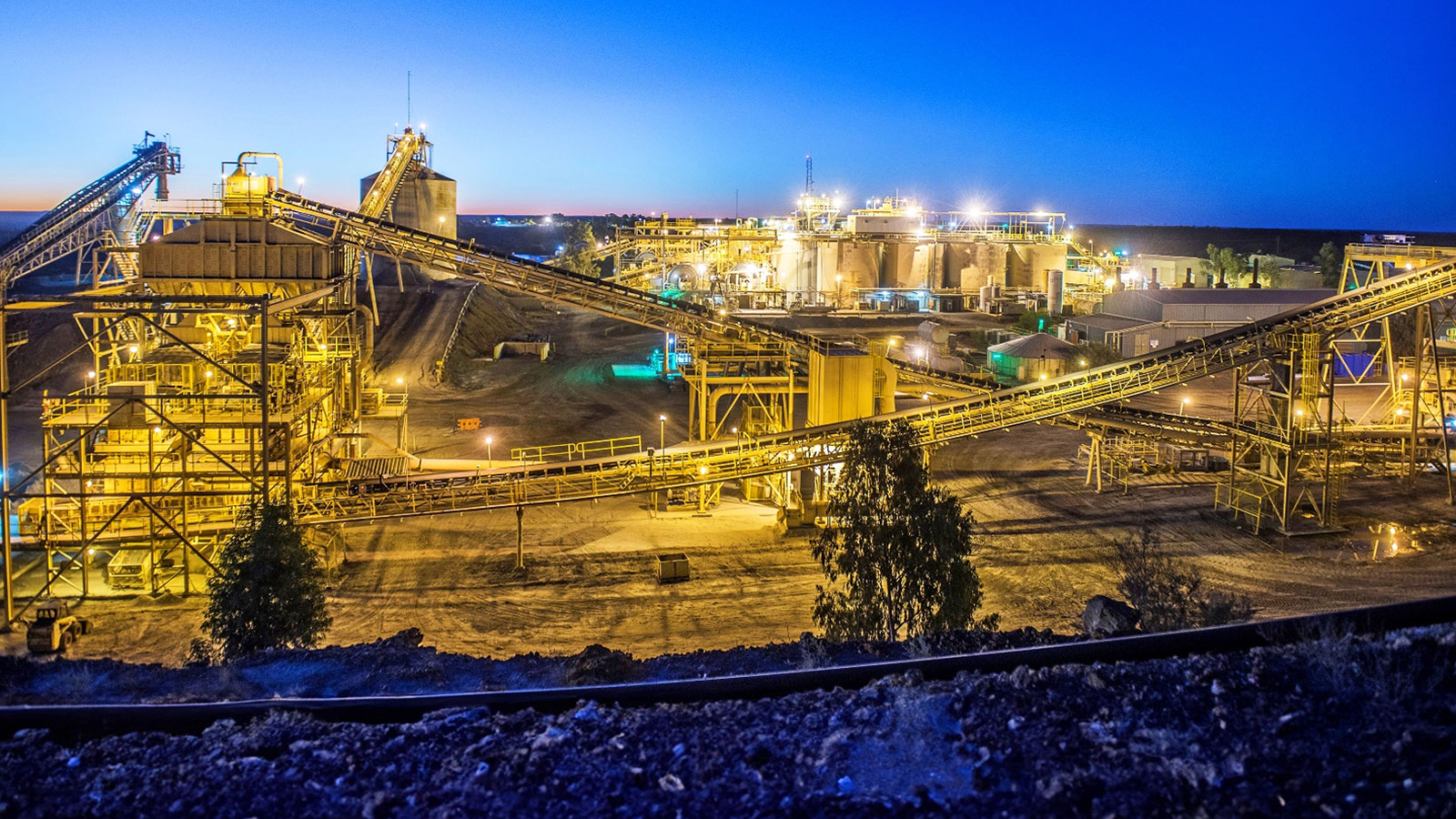
Catalyst Metals produced 26,127 ounces from the Plutonic Gold Belt in the March quarter, bringing its year-to-date total to 71,875 oz on track for 100,000–110,000 oz guidance. Five mines feed a single 2 Mtpa carbon-in-leach processing plant. The company holds A$277 million in cash and bullion with no debt, A$100 million in undrawn facilities, and a strategic target: double production to 200,000 oz per annum from up to six ore sources over a ten-year mine life.
EPBC approval delays and the workforce cost nobody is budgeting for
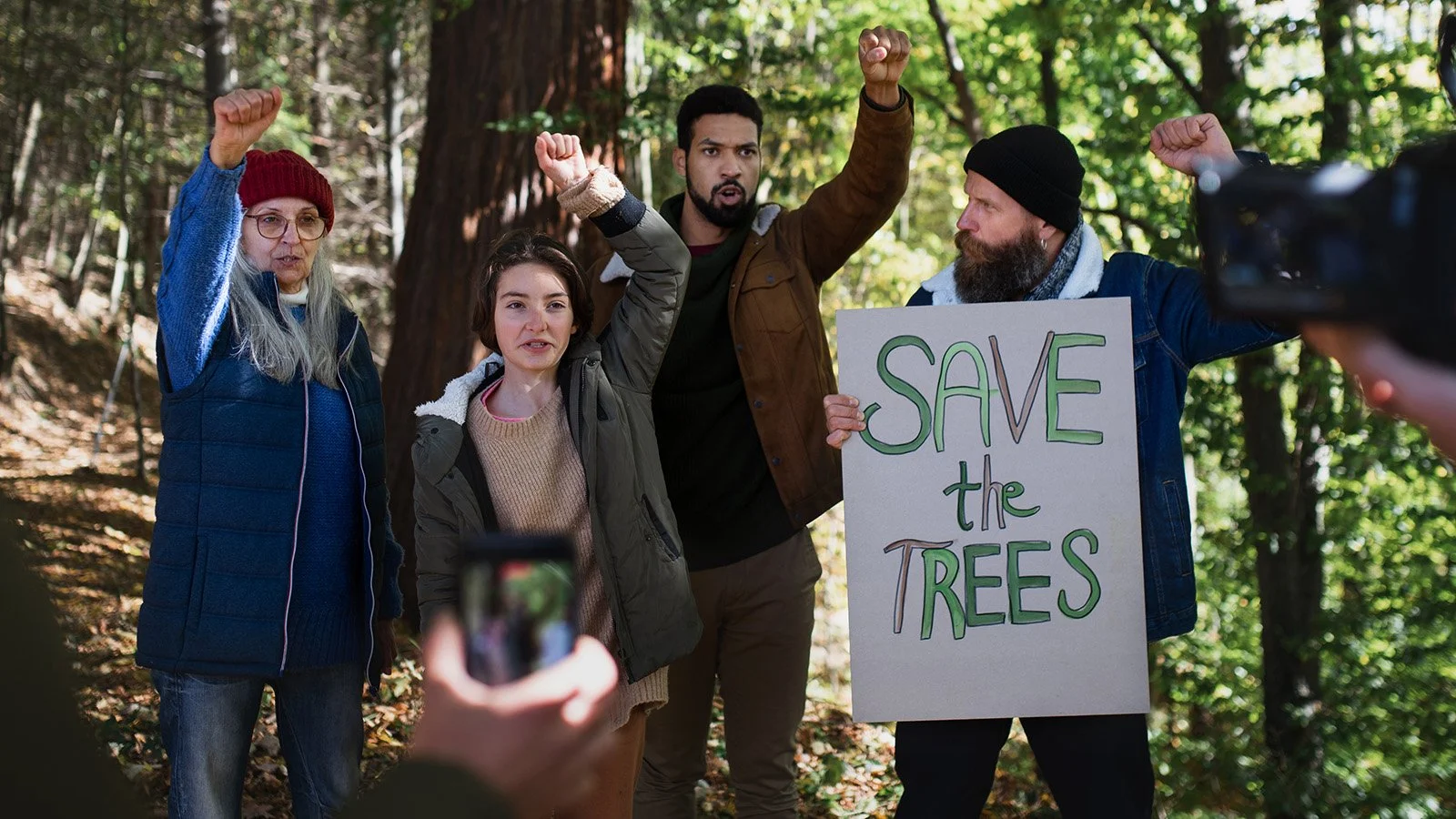
3.8 years. That is the average time it now takes for a resource project to receive environmental approval under the EPBC Act, according to the Minerals Council of Australia. In 2019, the average was 2.3 years. A 60% increase in decision times, during a period when the number of projects entering the approvals pipeline has accelerated sharply on the back of critical minerals demand, record gold prices, and renewed exploration capital.

ASX exploration boom 2026: record capital, rising expenditure, and the field team question
Australian-listed exploration companies entered 2026 with $12.04 billion in combined cash reserves, the highest figure since BDO began tracking the sector in 2013. In the December 2025 quarter alone, explorers raised $5.63 billion in new capital: a 61% increase on the previous quarter and the largest single-quarter financing inflow on record.

Personal security for overseas mining deployments: five habits that protect your field team
Australian explorers are deploying geologists and field technicians into higher-risk international jurisdictions at a rate not seen in a decade. West African gold programmes, Central African cobalt and copper projects, and PNG copper-gold operations all require experienced personnel on the ground for extended rotations. The demand is real, the programmes are funded, and the field teams are mobilising.
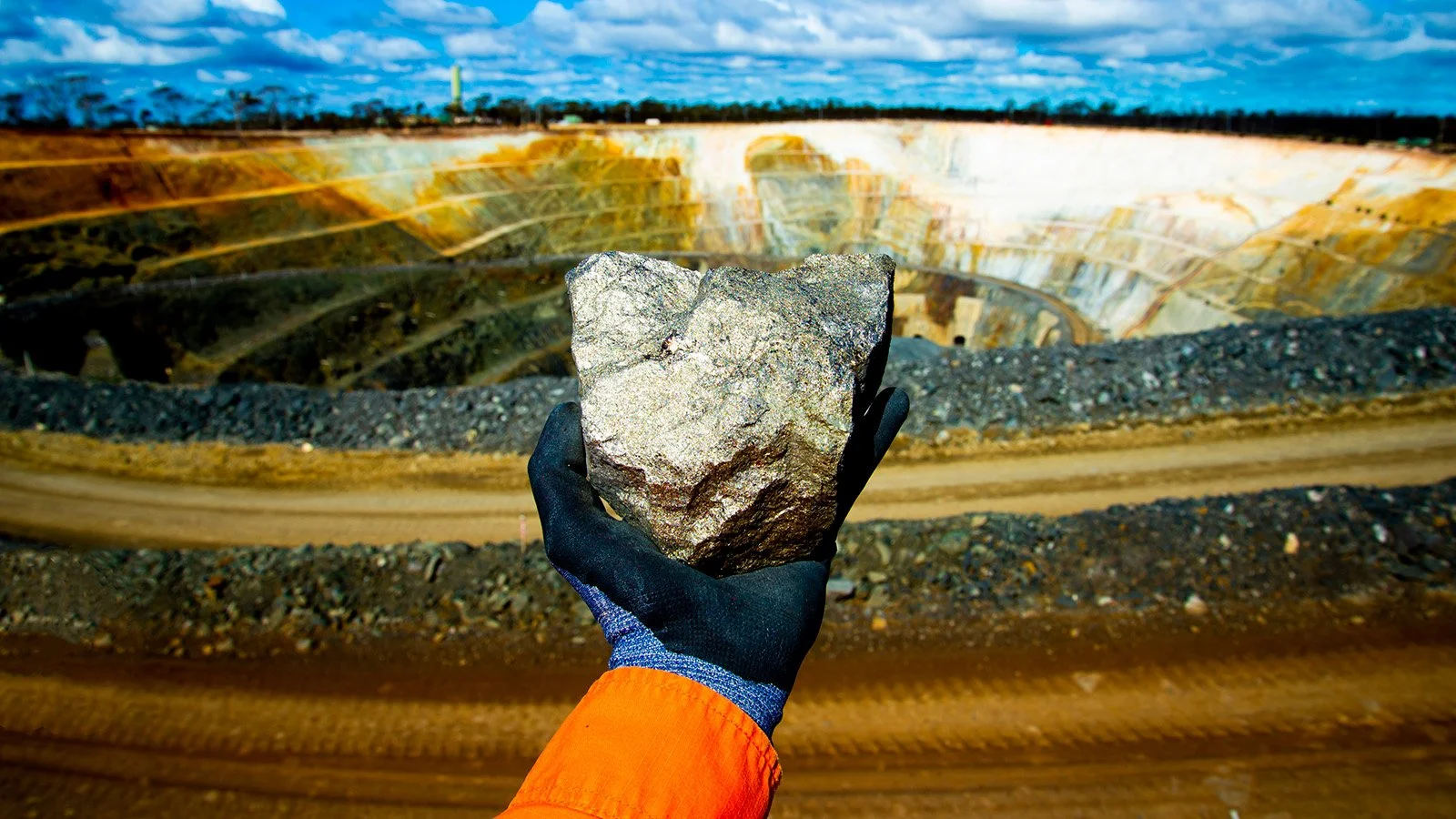
Australian nickel in 2026: Indonesia's production cut, mothballed mines, and the workforce question
Indonesia slashed its 2026 nickel ore quota by 30%, dropping from 379 million to 270 million wet metric tonnes under the annual RKAB permit system. The world's largest nickel mine, PT Weda Bay, took a 71% cut alone. LME nickel has responded with a 22% year-to-date rally, trading near US$19,500 per tonne as of late April 2026.

The Potential Mega-Merger: Glencore and Rio Tinto in 2025
The mining industry might be on the brink of witnessing a seismic shift, with recent buzz around a potential merger between two of its heavyweight players, Glencore (150,000 employees and Rio Tinto (150,000). This combination could not only reshape the global mining landscape but also set a new precedent in the industry's history of consolidation.