
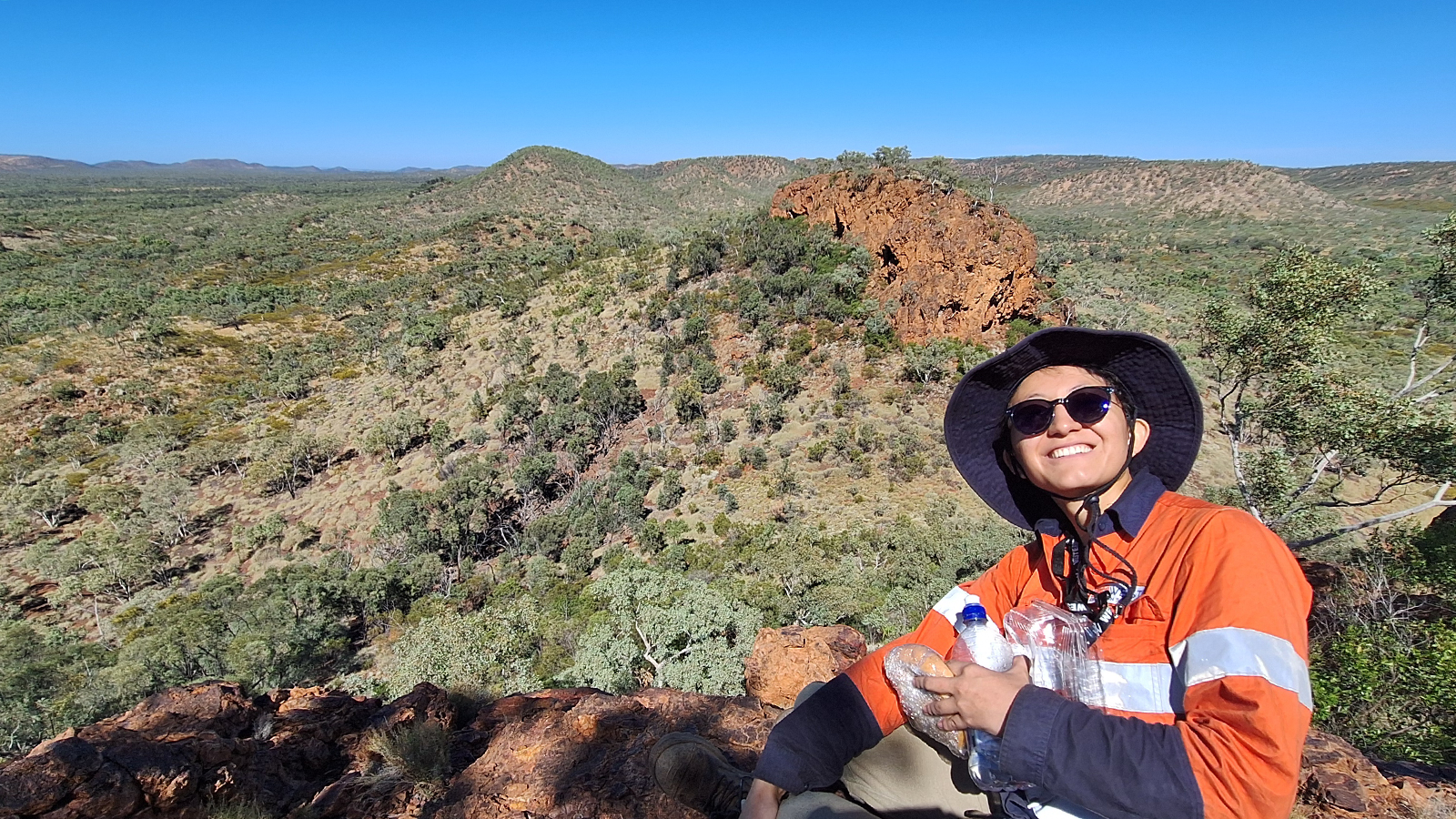
Women in Australian mining: 22% of the workforce, 10% of operational roles, and a skills crisis that cannot afford to ignore half the talent pool
Friday 19 June 2026
22%. That is the share of women in Australia's mining workforce, according to the latest Workplace Gender Equality Agency data for 2024-25. In clerical and administrative roles, women hold roughly 69% of positions. In the higher-paid operational, technical, and site-based roles that drive exploration and production, participation drops to approximately 10%.
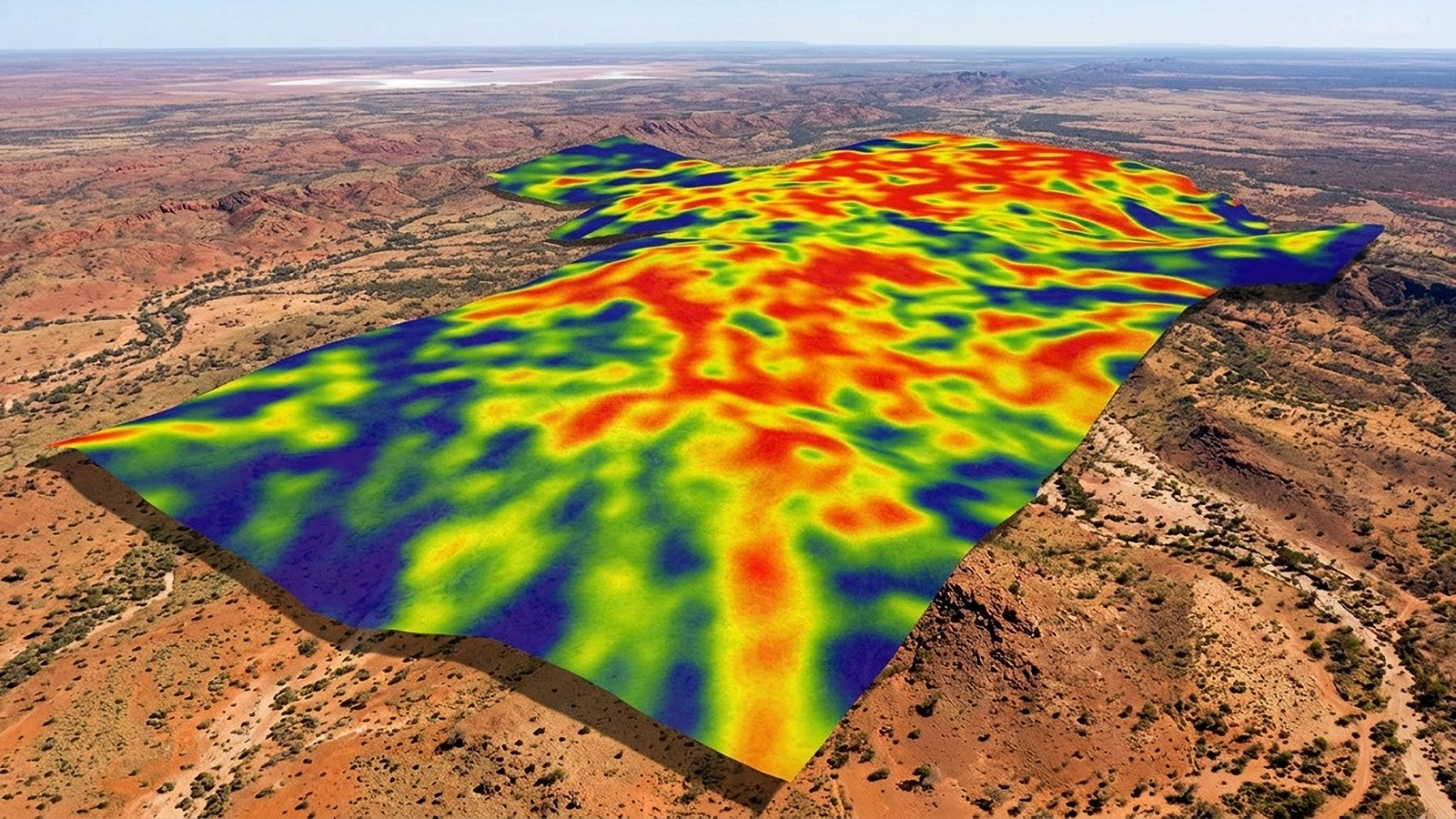
Queensland's $4 million airborne gravity survey: what the largest geophysical program in Australian history means for exploration
Thursday 18 June 2026
The Queensland Government has committed $4 million to an airborne gravity gradiometry (AGG) survey covering 40,000 line kilometres across the North West Minerals Province. Conducted in partnership with Geoscience Australia, it is the largest high-resolution regional AGG survey ever flown in Australia, and it targets one of the country's most geologically prospective but historically under-mapped regions for critical minerals.
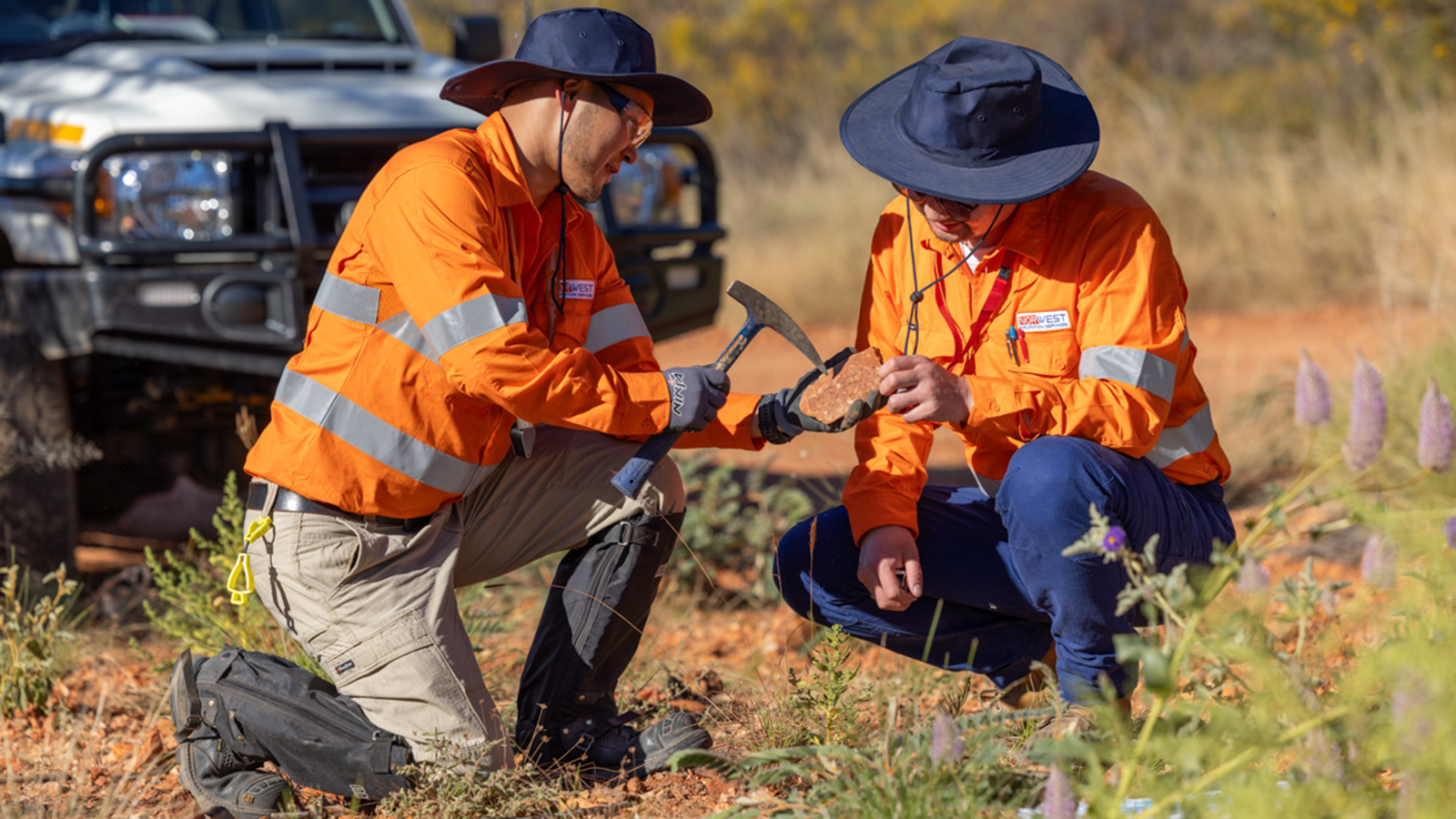
Geological mapping discipline for Australian exploration: five habits that protect your drill target
Wednesday 17 June 2026
A misplaced fault interpretation on a surface geological map can shift a drill target by hundreds of metres at depth. At $150-250 per metre for diamond drilling in Australia, that mapping error does not just miss the mineralisation: it consumes a programme budget that was raised on a structural model the geology cannot support. The cost of redrilling is quantifiable. The cost of lost investor confidence in the geological team is not.
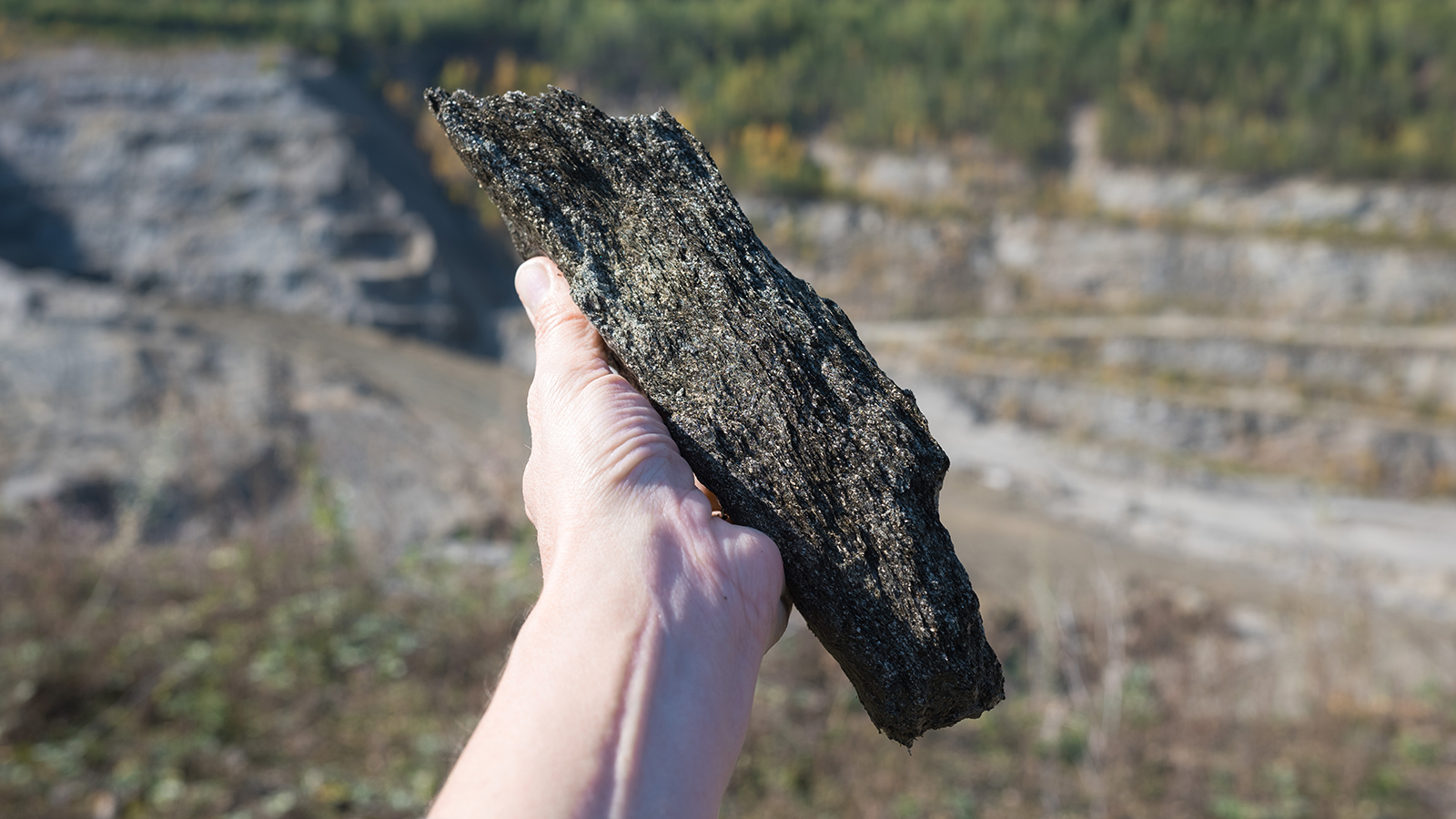
Australian graphite 2026: zero production, five months to a supply chain deadline
Tuesday 16 June 2026
China processes more than 95% of the world's battery-grade spherical graphite. In November 2025, Beijing temporarily suspended its export licensing requirements for artificial graphite anode materials and related processing equipment. That suspension expires in November 2026, and the Western supply chain has done little to change its dependence in the interim.
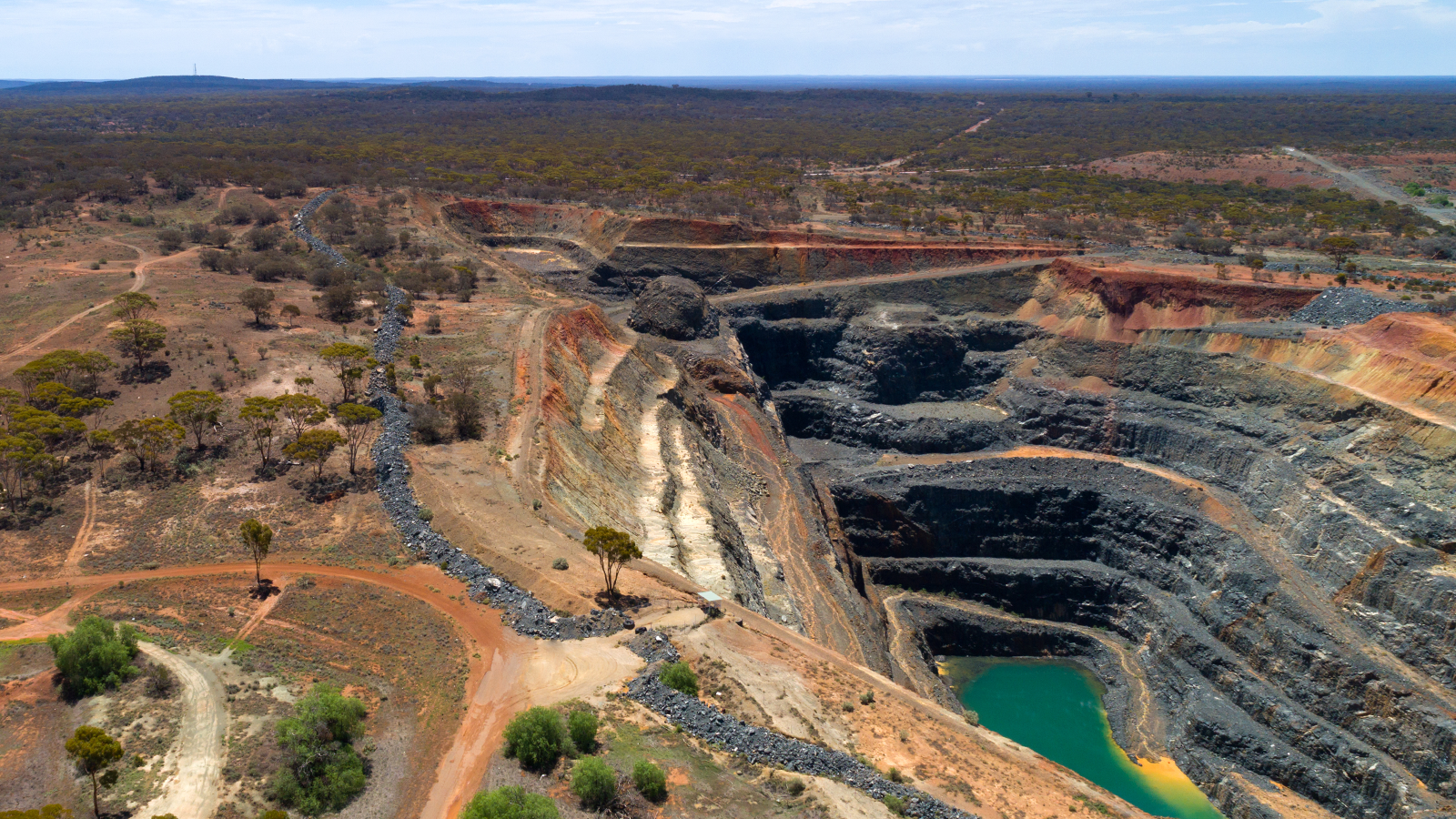
Bullabulling Gold Project: infill grades above the resource model point to a bigger, better ounce profile
Monday 15 June 2026
The Bullabulling Gold Project in Western Australia's Eastern Goldfields already ranks among the country's larger undeveloped gold deposits. At 130 million tonnes grading 1.0 g/t gold for 4.5 million ounces (December 2025 JORC resource), the project has the scale that attracts serious capital. The latest drilling results from Minerals 260 Limited (ASX: MI6) suggest the numbers are heading higher and may reflect a better grade profile than the current model predicts.
WA Goldfields DAMA transition: what mining employers need to know before 30 June 2026
12 June 20226
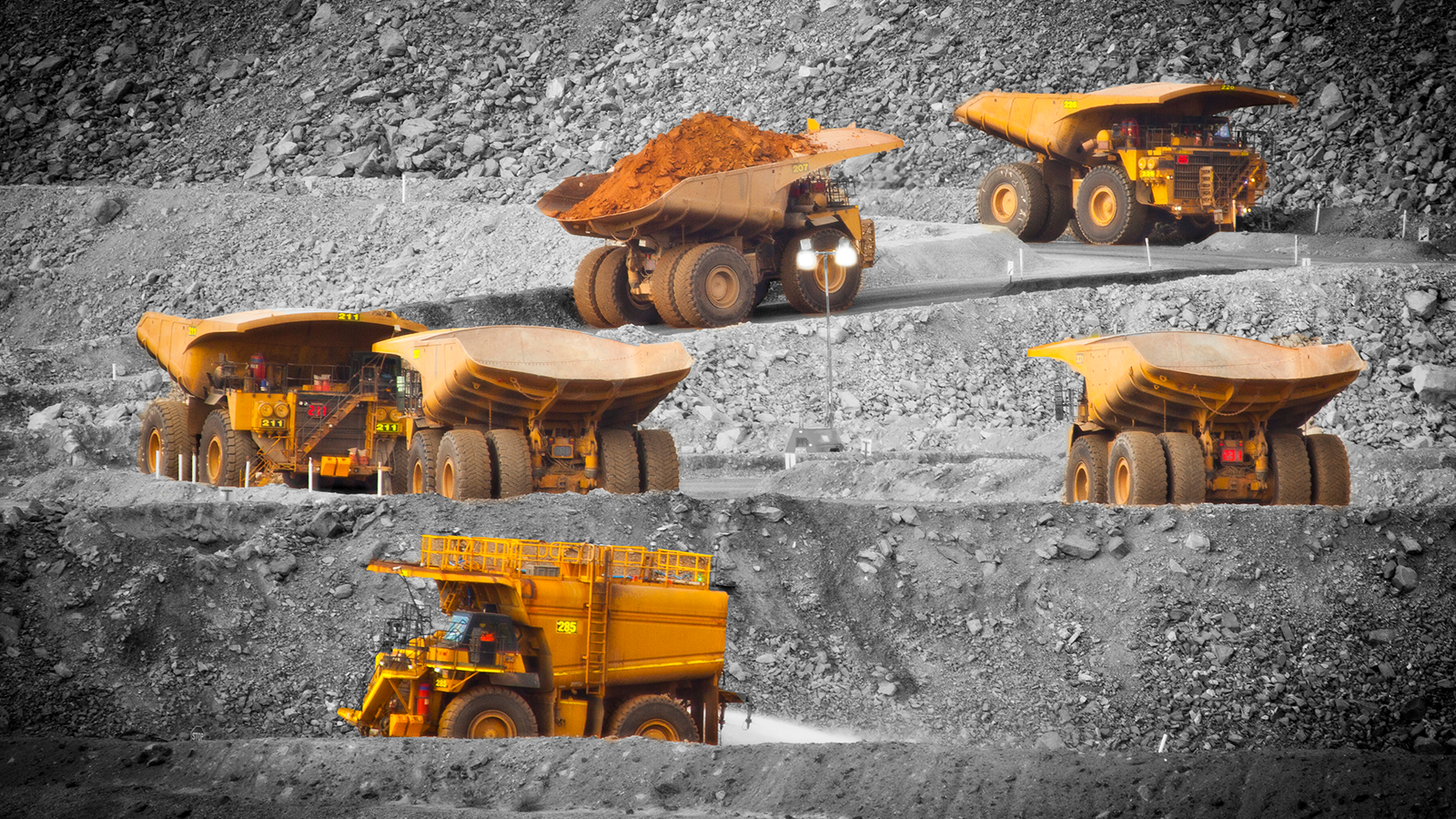
The Goldfields Designated Area Migration Agreement expires on 30 June 2026. Mining employers in the Kalgoorlie-Boulder region who rely on DAMA-sponsored workers to fill crew shortages have a 18-day window to transition to the new state-wide WA DAMA framework. Employers who miss the transition risk a gap in their ability to s
Australia's exploration boom meets a capital gains tax headwind: what the 2026-27 Budget changes mean for junior miners
Thursday 11 June 2026
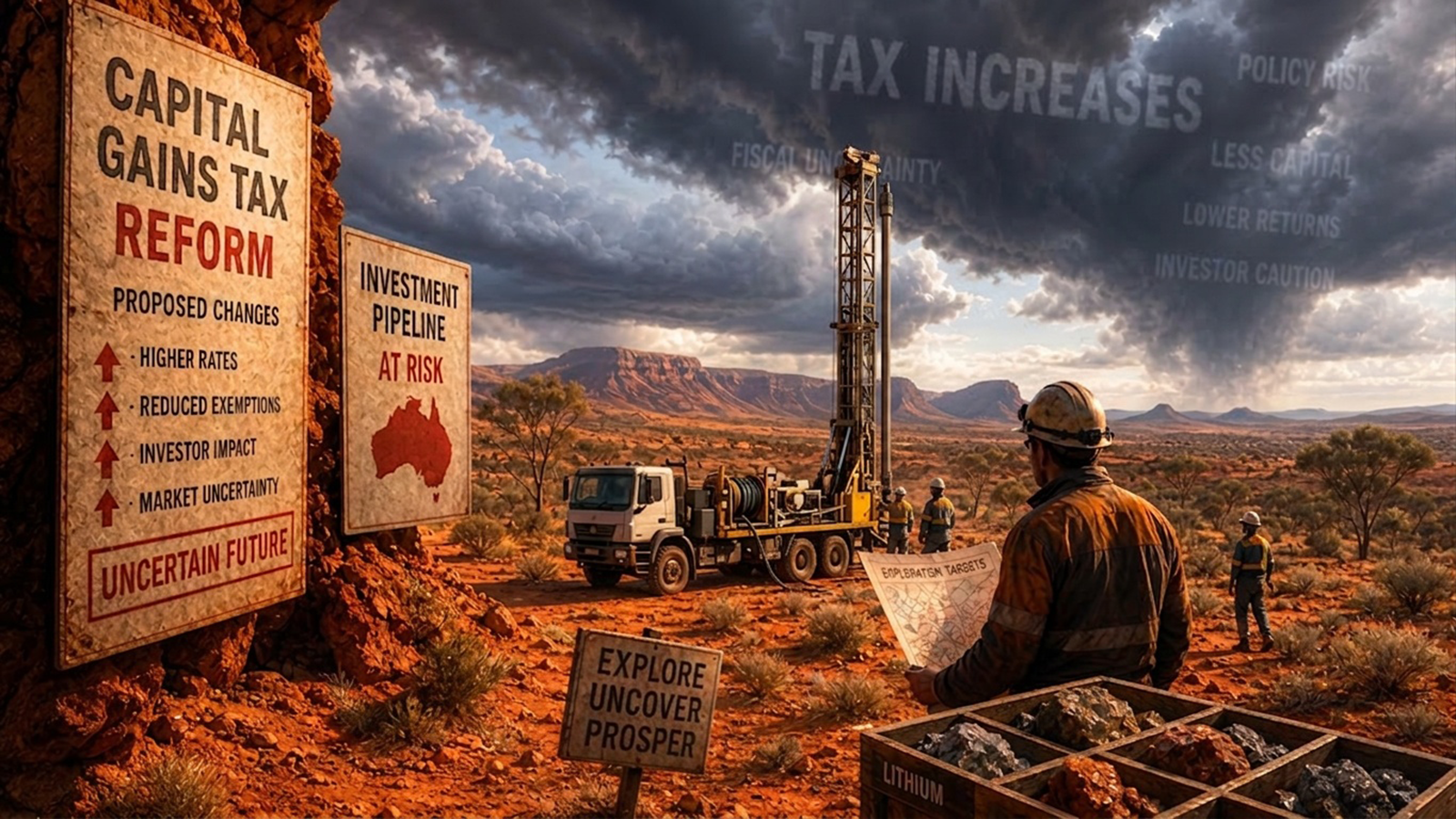
Mineral exploration expenditure in Australia hit $949 million in the March 2026 quarter, up 16.3% year on year according to the Australian Bureau of Statistics. Gold exploration spending surged 53.4%. Greenfields drilling metres are climbing. Junior explorers now account for 77% of new mineral discoveries in the western world, up from 10% in 1980.
The momentum is real. The question is whether the capital structure underneath it survives the proposed changes in the 2026-27 Federal Budget.
Water management for exploration drilling: five habits that protect your program
Wednesday 10 June 2026
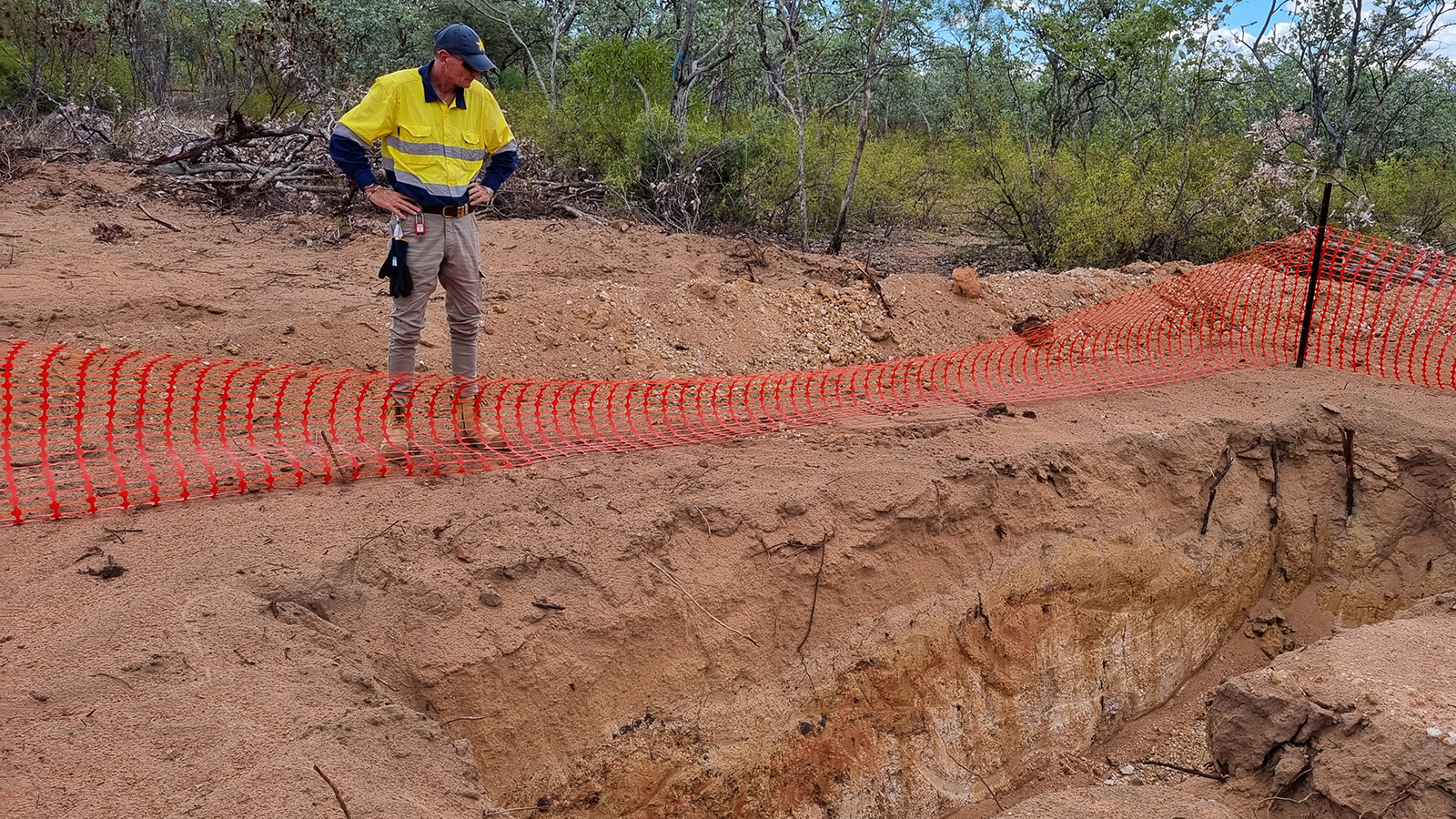
A single unlined sump on a drill pad in a catchment area can trigger a stop-work order that grounds an entire exploration program. Remediation costs for groundwater contamination from drilling operations routinely exceed $200,000 before the regulator lifts the suspension. These are project costs that should never exist, and they are almost always preventable through basic field discipline.

Australian zircon supply 2026: depletion, deficit, and the race for replacement deposits
Tuesday 9 June 2026
Global zirconium mineral concentrate production dropped to an estimated 1 million tonnes in 2025, down roughly 12% year on year. The decline was not triggered by a single disruption event. It was driven by something harder to reverse: the depletion of mature mineral sands deposits that have sustained global zircon supply for two decades.
Australia holds the world's largest identified zircon resources at approximately 89.7 million tonnes and has historically supplied around 24% of
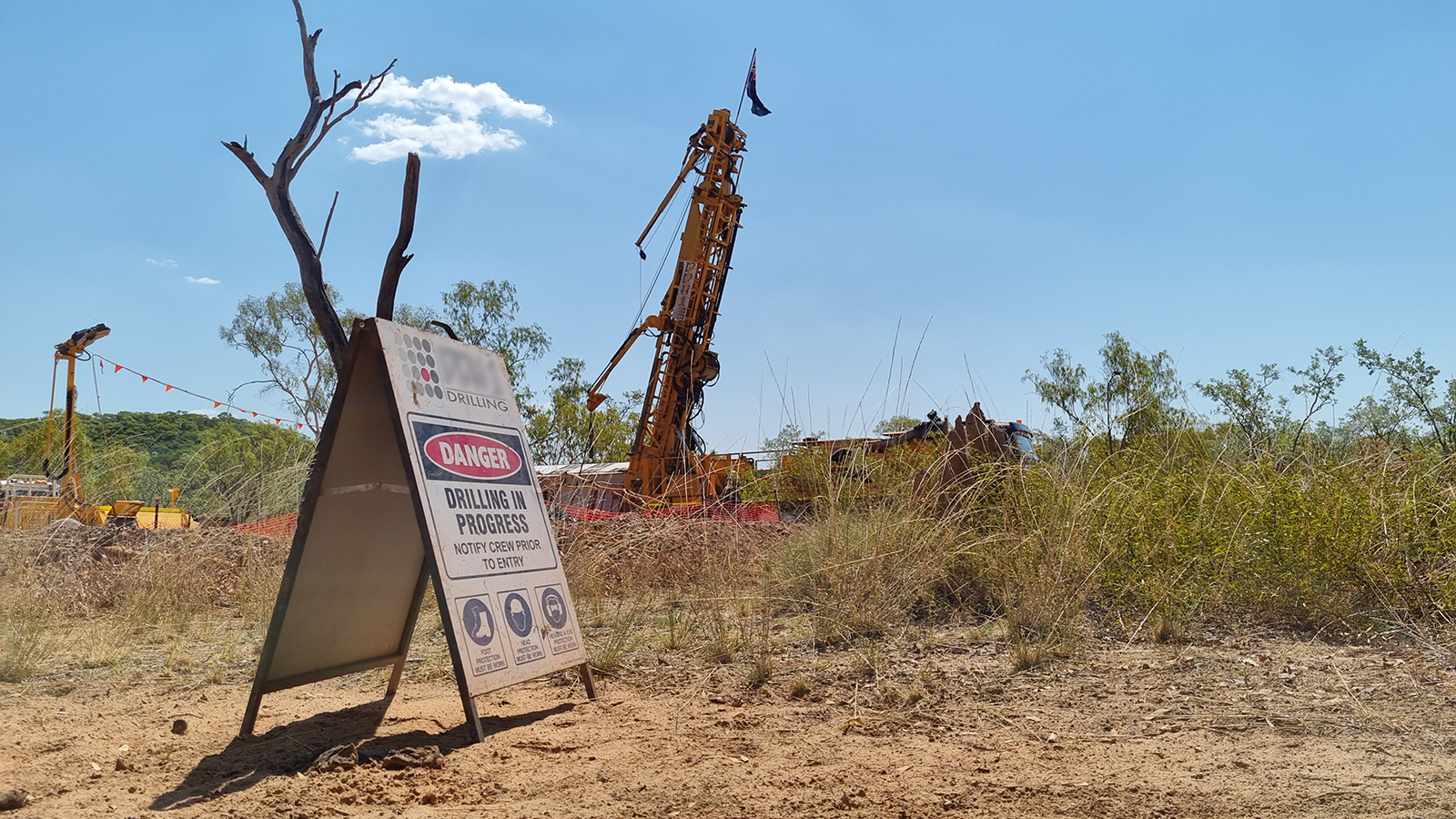
Barbara copper project: maiden drilling confirms resource growth for Breakthrough Minerals in North Queensland
Monday 8 June 2026
Barbara copper project: maiden drilling confirms resource growth for Breakthrough Minerals in North Queensland
Breakthrough Minerals acquired the Barbara Copper-Gold Project in March 2026 as part of a broader package of former Aeris Resources tenements. Three weeks after settlement, they had a diamond drill rig turning at the deposit. The first assay results from that maiden campaign confirm the acquisition thesis: Barbara can grow, and the existing resource model appears conservative.
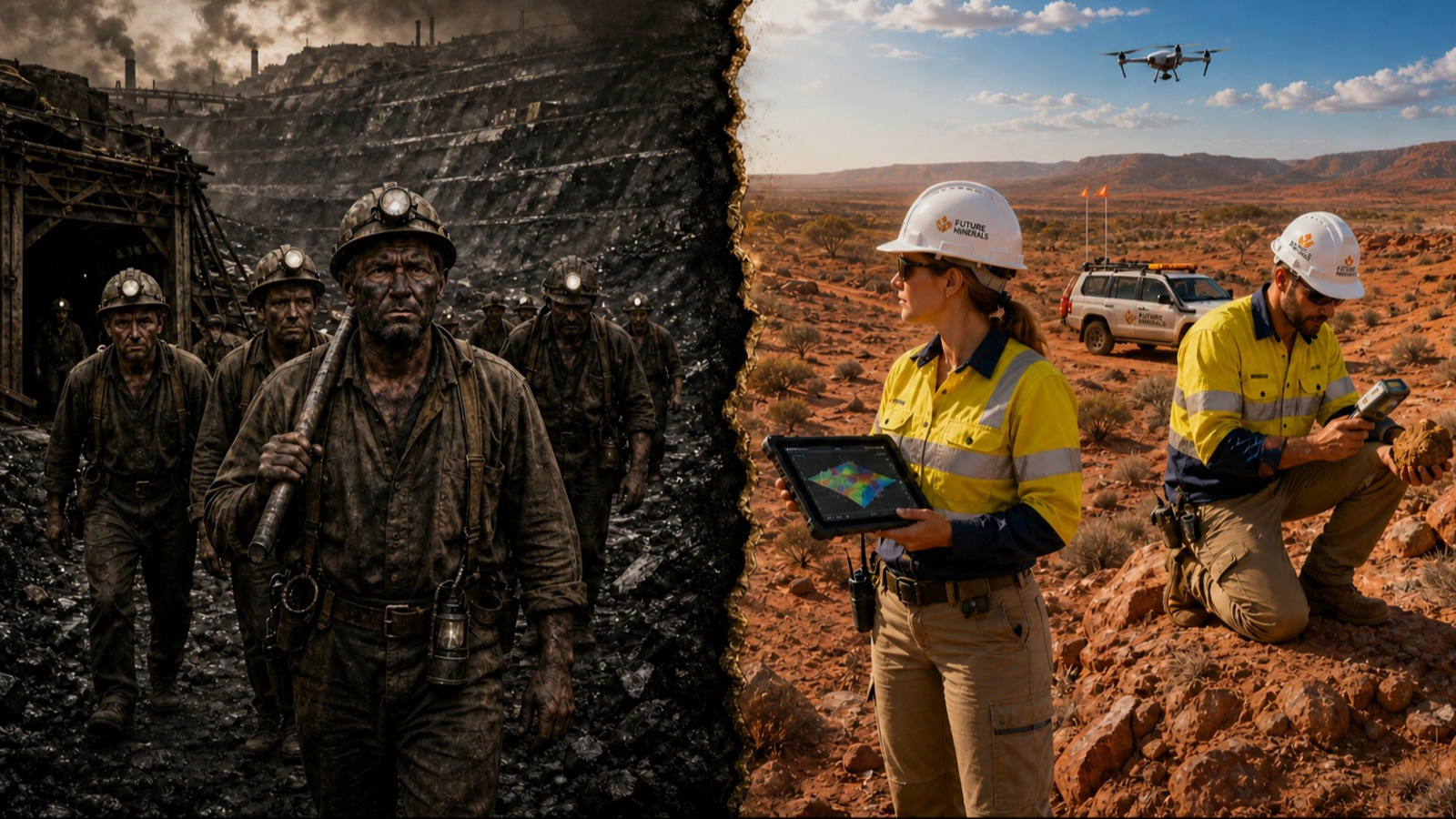
Coal to metals: the workforce transition Australia needs but has not built
Friday 5 June 2026
152. That is the number of mining engineers who graduated nationally in 2023, down from 333 in 2015. A 54% collapse in the pipeline feeding every new mine in the country. Enrolments have fallen 63% over the decade to 2024, and the fill rate for experienced mining engineer roles sits at approximately 42%.
These numbers describe a structural deficit that cyclical hiring cannot resolve. The industry is consuming experienced professionals faster than it is producing them, and the gap is widening as new critical minerals projects advance through feasibility toward con

Nyrstar smelter crisis: what 1,400 processing jobs at risk means for Australia's critical minerals future
Thursday 4 June 2026
Nyrstar's A$135 million transitional funding package expired on 1 May 2026, triggering formal review of two of Australia's last significant base metals processing operations. The Port Pirie lead smelter in South Australia, employing approximately 900 people, and the Hobart zinc smelter in Tasmania, employing around 500, are now under assessment with all options on the table: continued operation, curtailment, sale, or closure.
Both facilities are more than a century old
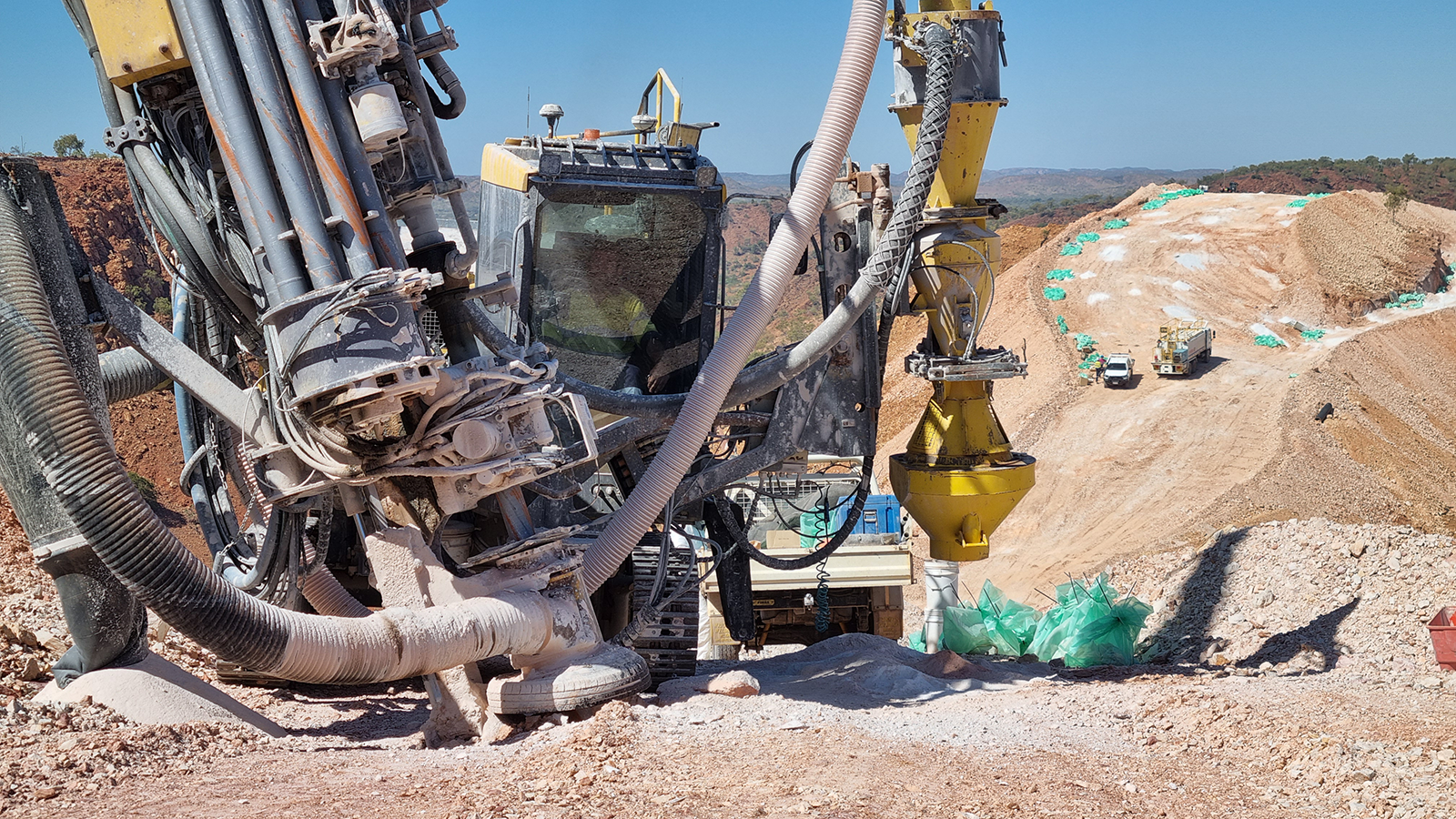
RC chip logging discipline: five habits that protect your grade estimate from the ground up
Wednesday 3 June 2026
RC drilling produces chips, not core. There is no intact sample to return to if the geological log is wrong. Errors in RC chip logging compound silently through the database, surfacing at resource estimation as diluted or inflated blocks that cannot be reconciled against the original material. By the time the resource geologist identifies the problem, the chips have been bagged, submitted, and assayed. The geological record is whatever was written down at the rig.
The cost of a bad RC log is invisible until it is expensive, and unlike diamond core, there is no opportunity for a second opinion. These five habits keep the log honest and the grade estimate defensible.

Australian tin supply 2026: what the US$55,000/t price spike means for exploration and production
Tuesday 2 June 2026
Tin is trading near nominal all-time highs at approximately US$55,000 per tonne on the LME, up roughly 76% year-on-year. The market has tipped into its first supply deficit since 2021, with demand growth of around 3.5% outpacing production growth of approximately 3%. For an element embedded in every semiconductor, every solder joint, and every printed circuit board manufactured globally, the deficit carries consequences that extend well beyond the commodities desk.
The price signal is clear. The question is when …
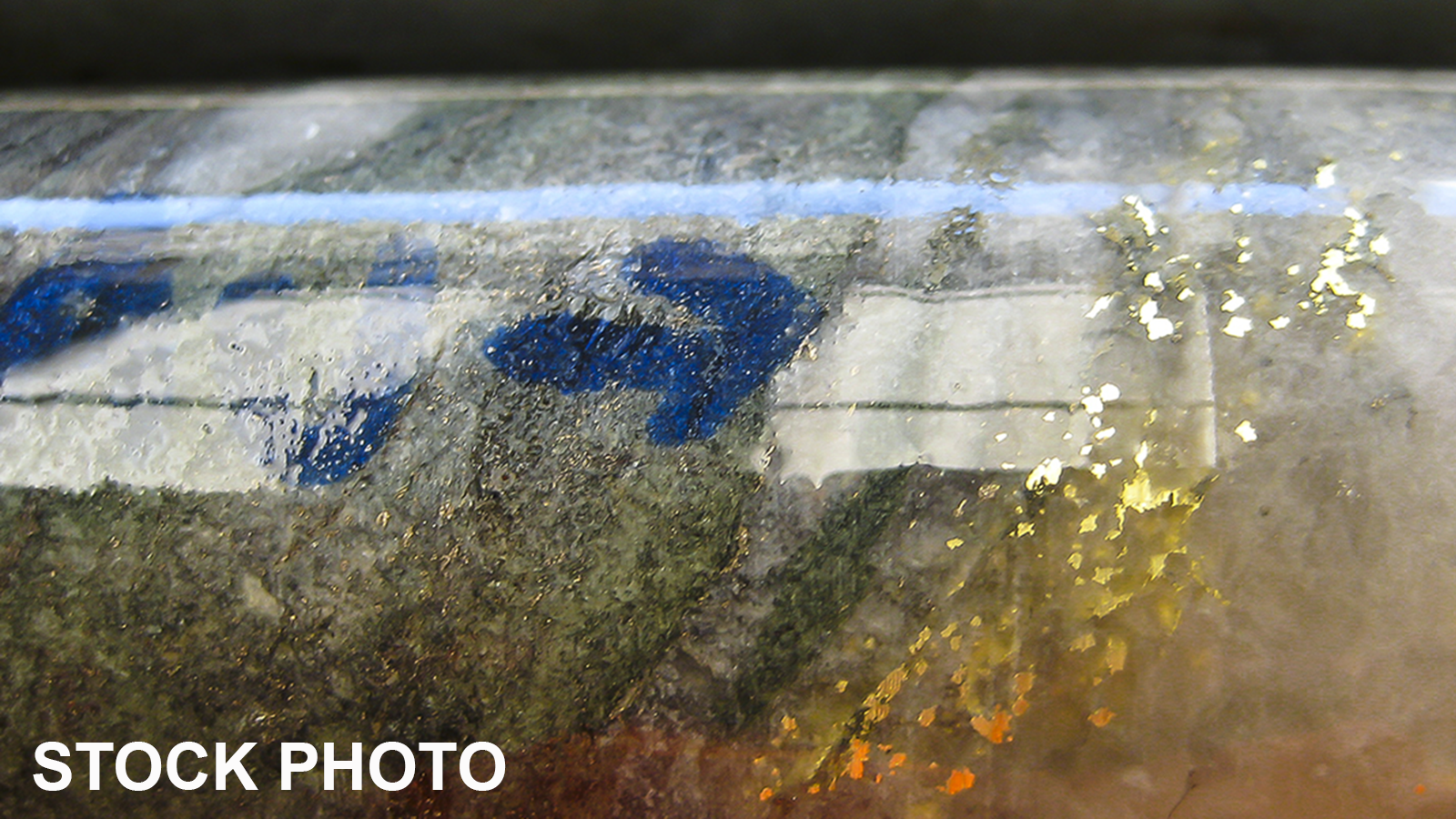
New Waverley gold project: maiden drilling returns visible gold and high-grade intercepts near Norseman WA
Monday 1 May 2026
Thirteen diamond drill holes into virgin ground at New Waverley have returned the kind of result that reframes a project from early-stage target to genuine discovery candidate. Lachlan Star Limited (ASX: LSA) reported visible gold and stacked high-grade intercepts from shallow depth in their maiden program, 16km northeast of Norseman in Western Australia's Eastern Goldfields.
The result is significant because the…
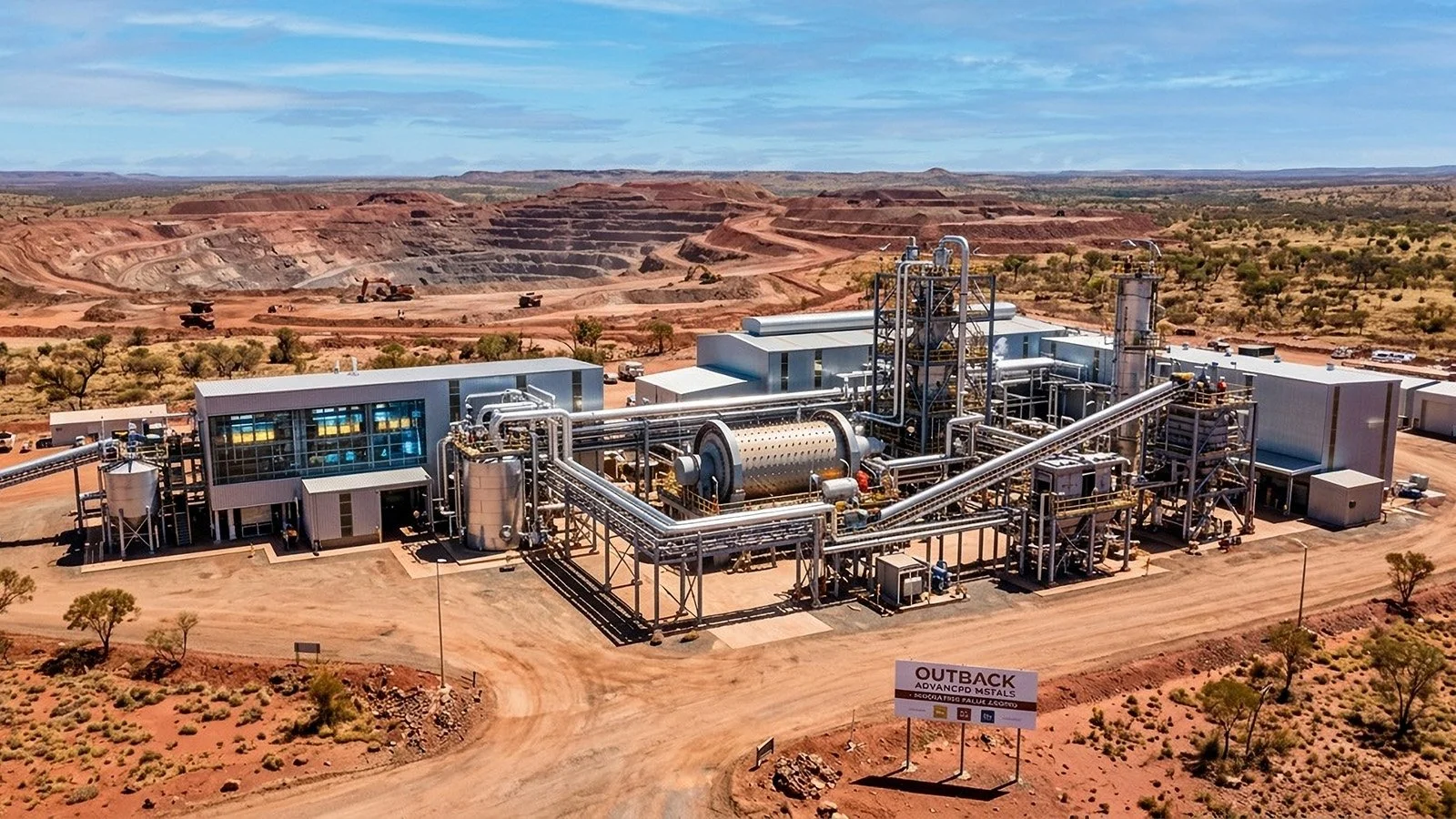
Australia's downstream processing ambition has a metallurgist problem it cannot buy its way out of
Friday 29 May 2026
Fewer than 200 qualified metallurgists graduate from Australian universities each year. The Australian Government's Critical Minerals Strategy projects demand for 800 to 1,000 processing specialists by 2030 to support the downstream refining and value-adding facilities that the strategy itself requires. A metallurgical engineering degree takes five to seven years of study, followed by two to three years of supervised on-the-job experience before a graduate is independently productive in a processing environment.
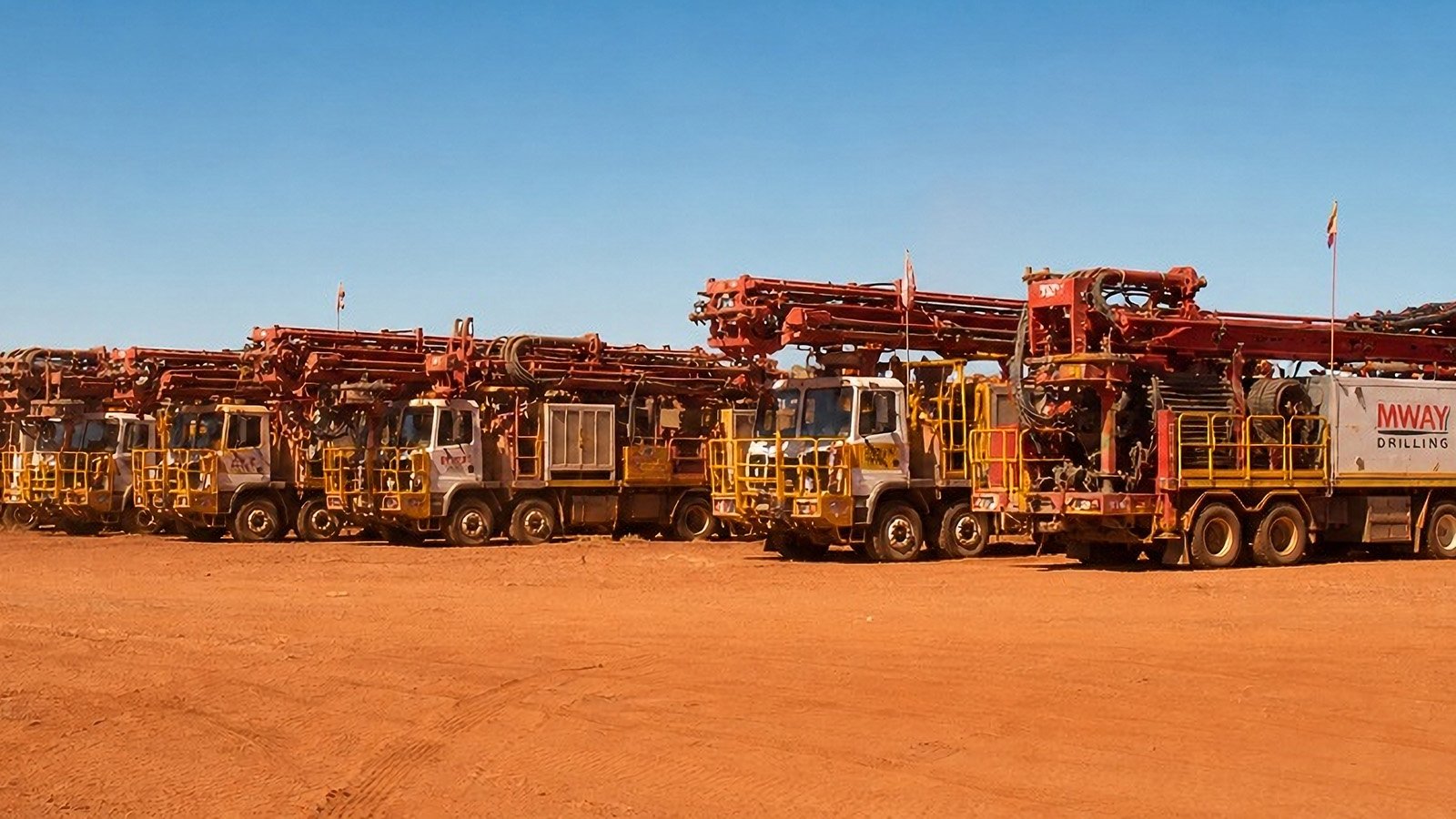
Crews not rigs: Australia's exploration drilling constraint has shifted from equipment to people
Thursday 28 May 2026
Australia and New Zealand have approximately 1,240 available drill rigs. Only 892 are being utilised, a 72 per cent utilisation rate. The remaining 348 rigs are not broken, not decommissioned, and not waiting for parts. They are waiting for qualified crews to operate them.
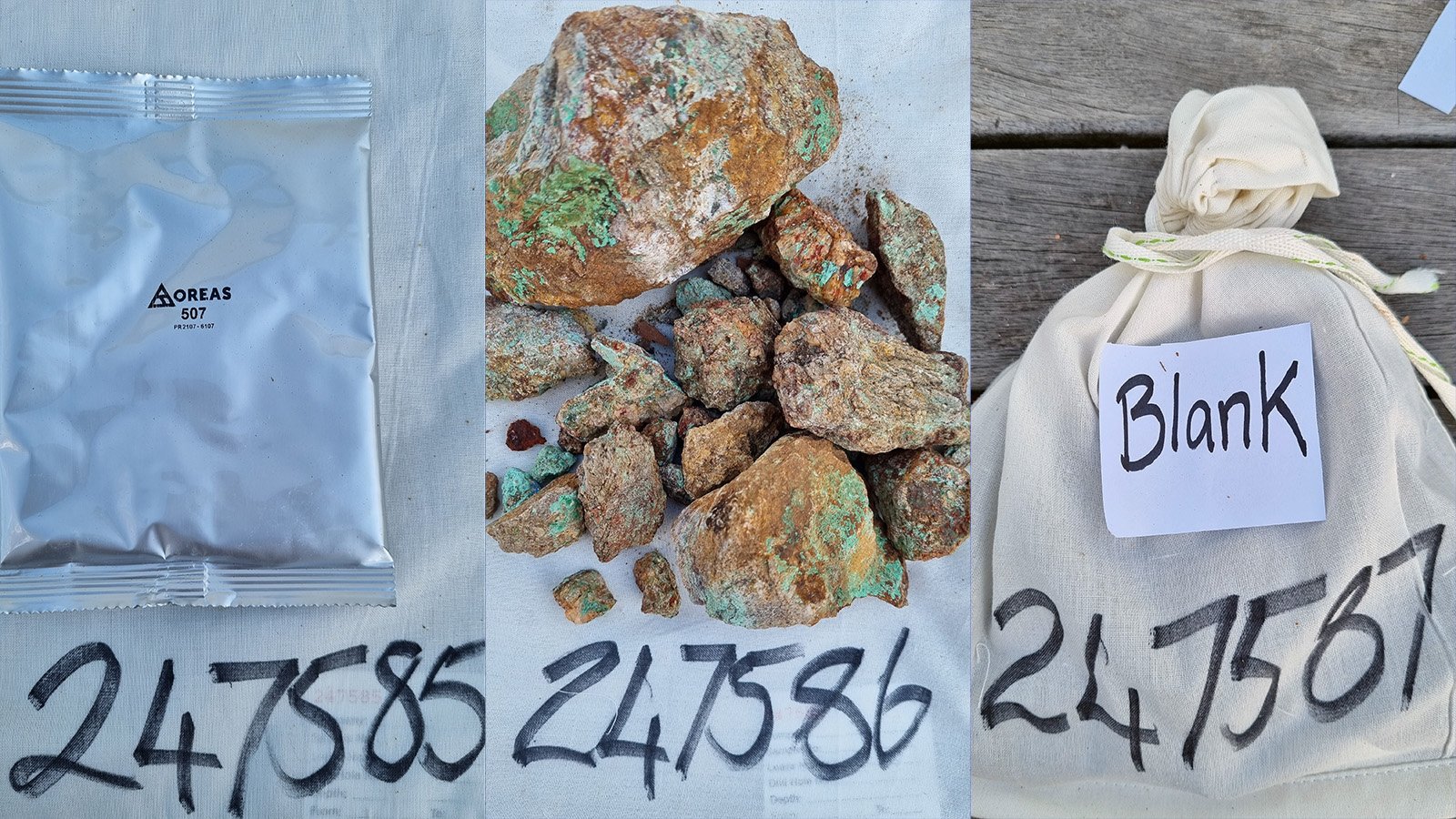
Standards & Blanks. The 5 uses you need to know.
Wednesday 27 May 2026
The JORC Code 2012 requires competent persons to demonstrate that adequate QA/QC has been applied to sampling programs before results can support a public resource statement. That requirement exists because laboratory errors, if undetected, flow directly into grade estimates, resource classifications, and ultimately into investment decisions built on data nobody checked.
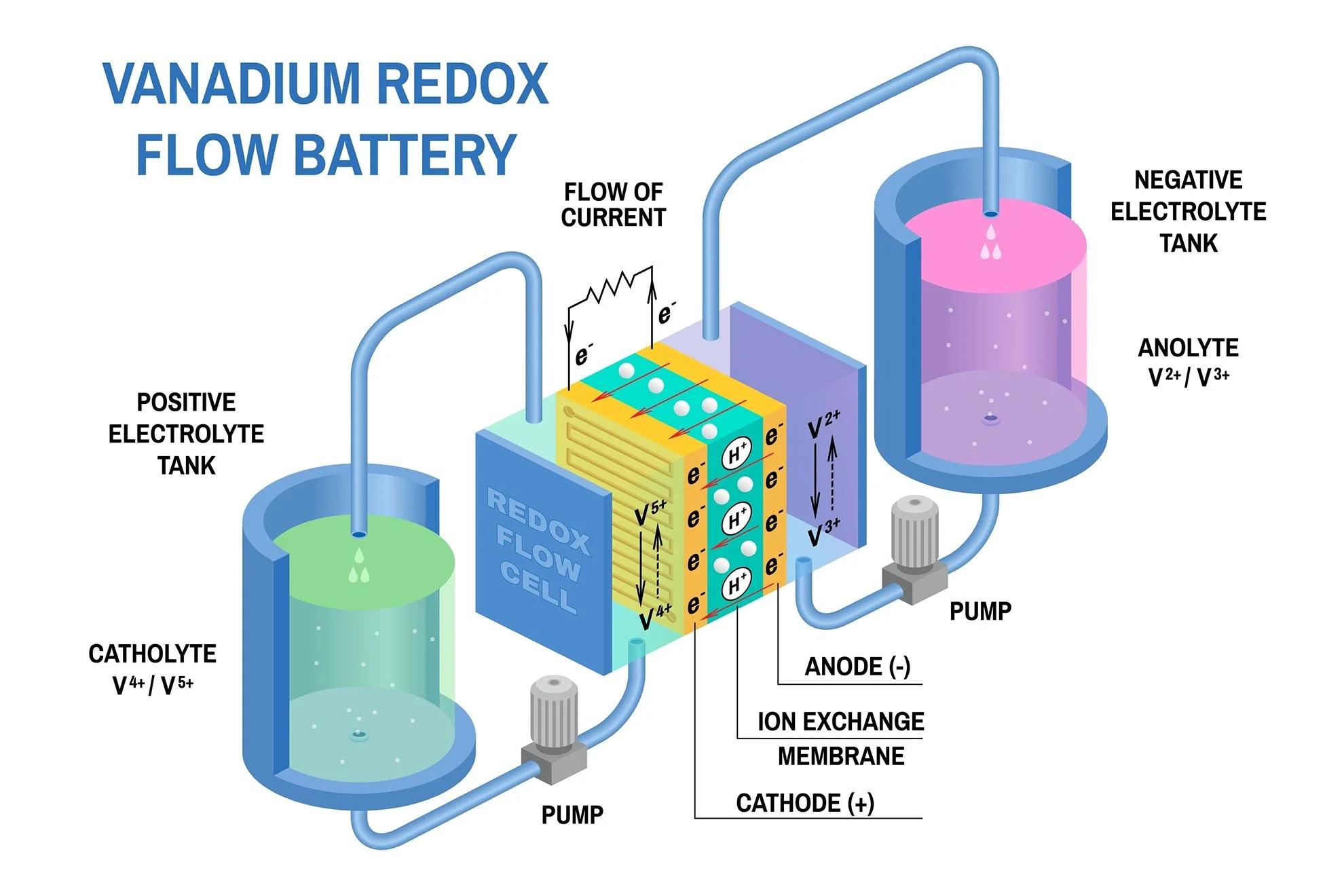
Western Australia's vanadium battery ambition exposes the gap between resources and production
Tuesday 26 May 2026
Western Australia is tendering for a 50 MW / 500 MWh vanadium redox flow battery in Kalgoorlie, backed by A$150 million in state funding and specified to use locally sourced vanadium. If built, it will be the largest VRFB installation outside China. Australia holds among the world's largest vanadium reserves. It does not produce a single tonne of primary vanadium.
That contradiction, between resourc

Intersection of the Week. Skip week.
Monday 25 May 2026
The past week was dominated by the Critical Minerals Australia Conference in Perth and the flow-on from the Federal Budget, with ASX announcements skewing toward quarterly reporting and corporate updates rather than standalone drilling results. No single intersection from the 17–23 May window cleared the bar for this series.