
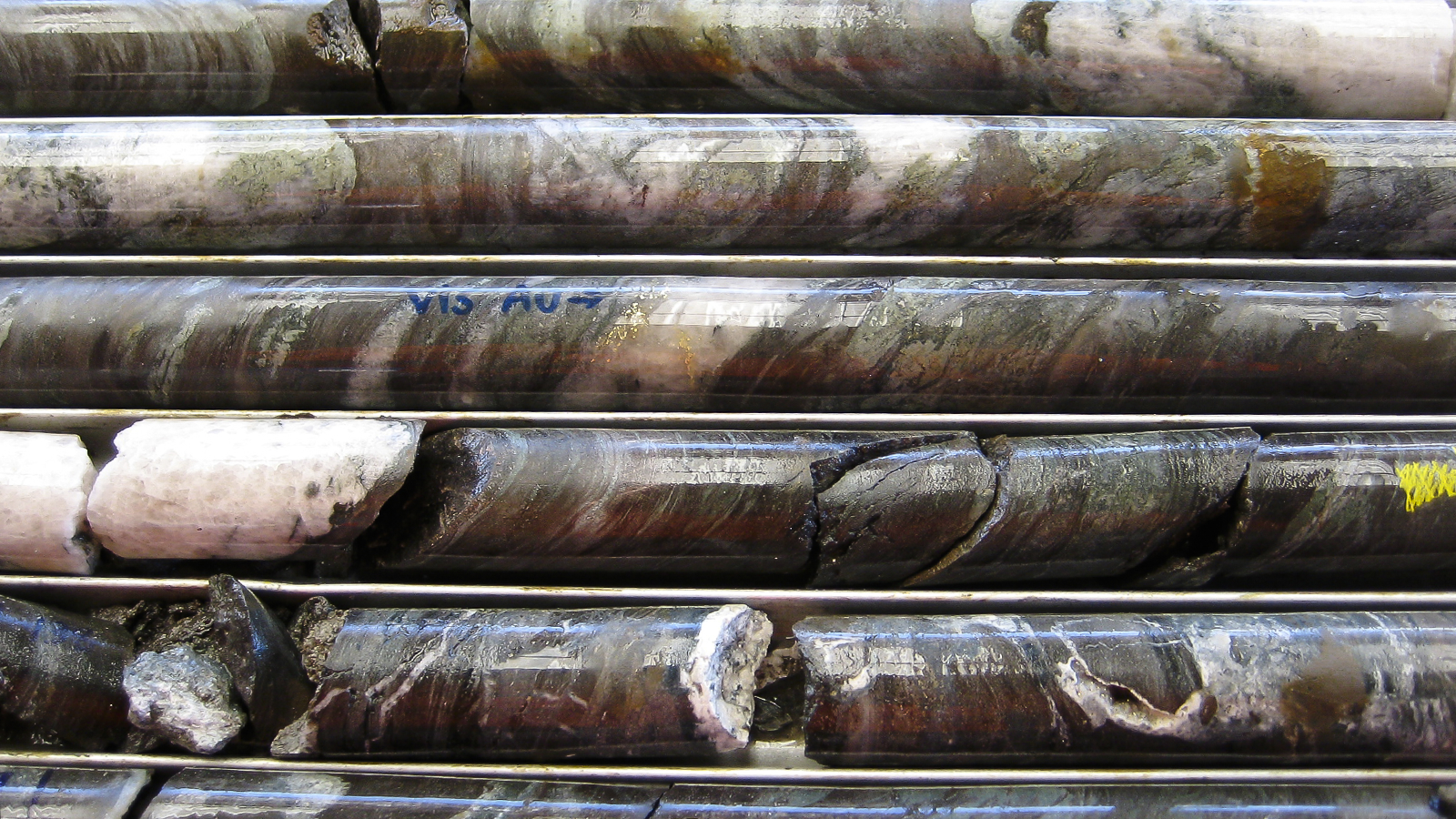
Core photography discipline for mineral exploration: five habits that protect your drill programme record
Wednesday 22 July 2026
A drill core photograph is the only complete visual record of the core before it is cut, sampled, and partially consumed by the assay process. In a well-run programme, the photograph serves as a permanent geological document: a reference for re-logging, a data source for machine learning analysis, and an audit trail that a competent person can rely on when reviewing a resource estimate years after the drilling campaign ended.
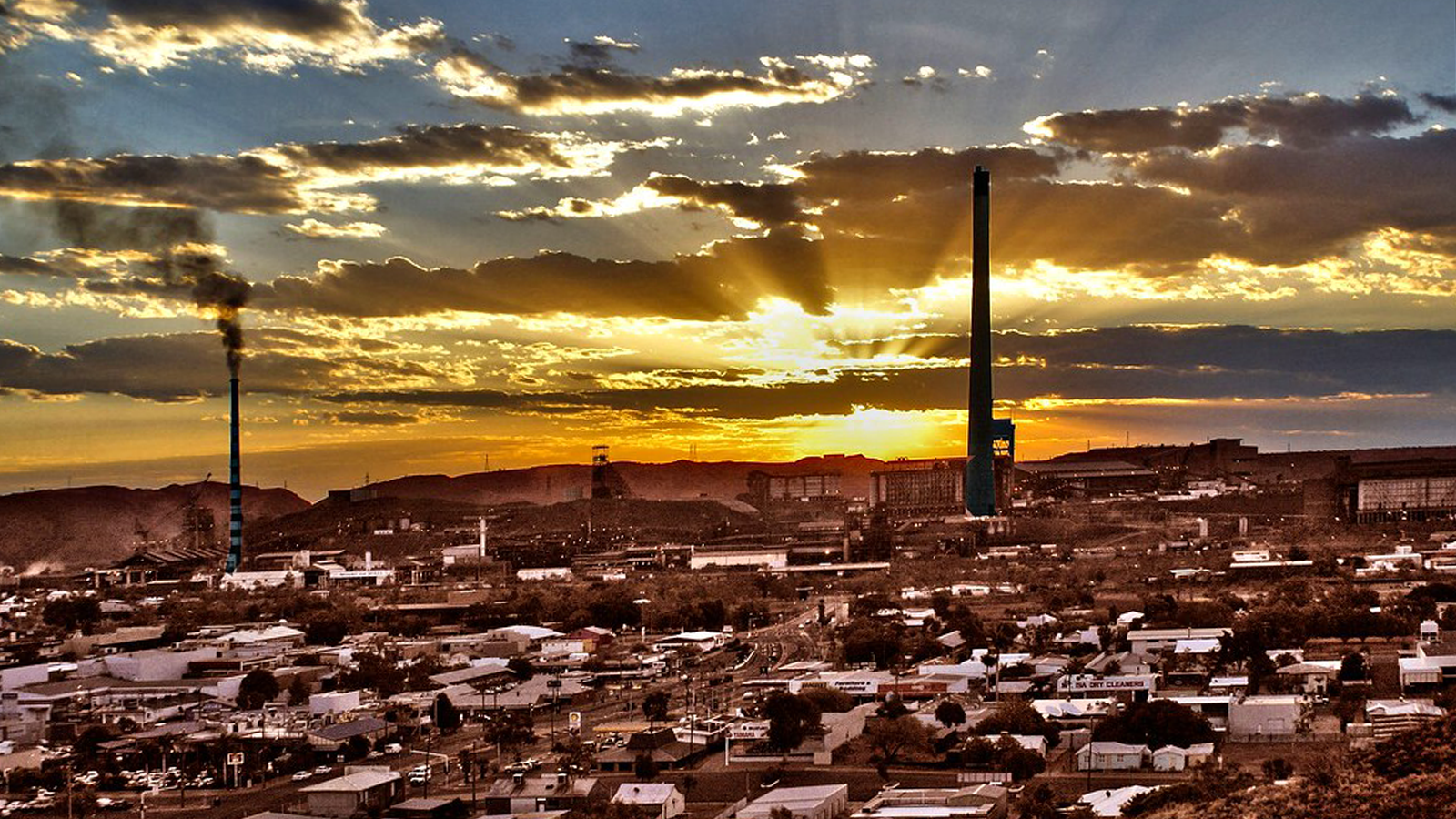
Copper in 2026: record prices, zero smelter margins, and what it means for Australian exploration
Tuesday 21 July 2026
Copper prices exceeded US$13,000 per tonne in January 2026, briefly touching US$14,500 intraday, the highest levels ever recorded. By June, COMEX copper reached US$6.67 per pound. The IEA's Global Critical Minerals Outlook 2026, released on 16 July, confirmed what the price action has been signalling for months: a structural supply deficit of approximately 25% is projected by 2035, narrowed from 30% in last year's outlook as new projects advance, but still vast by any historical standard.
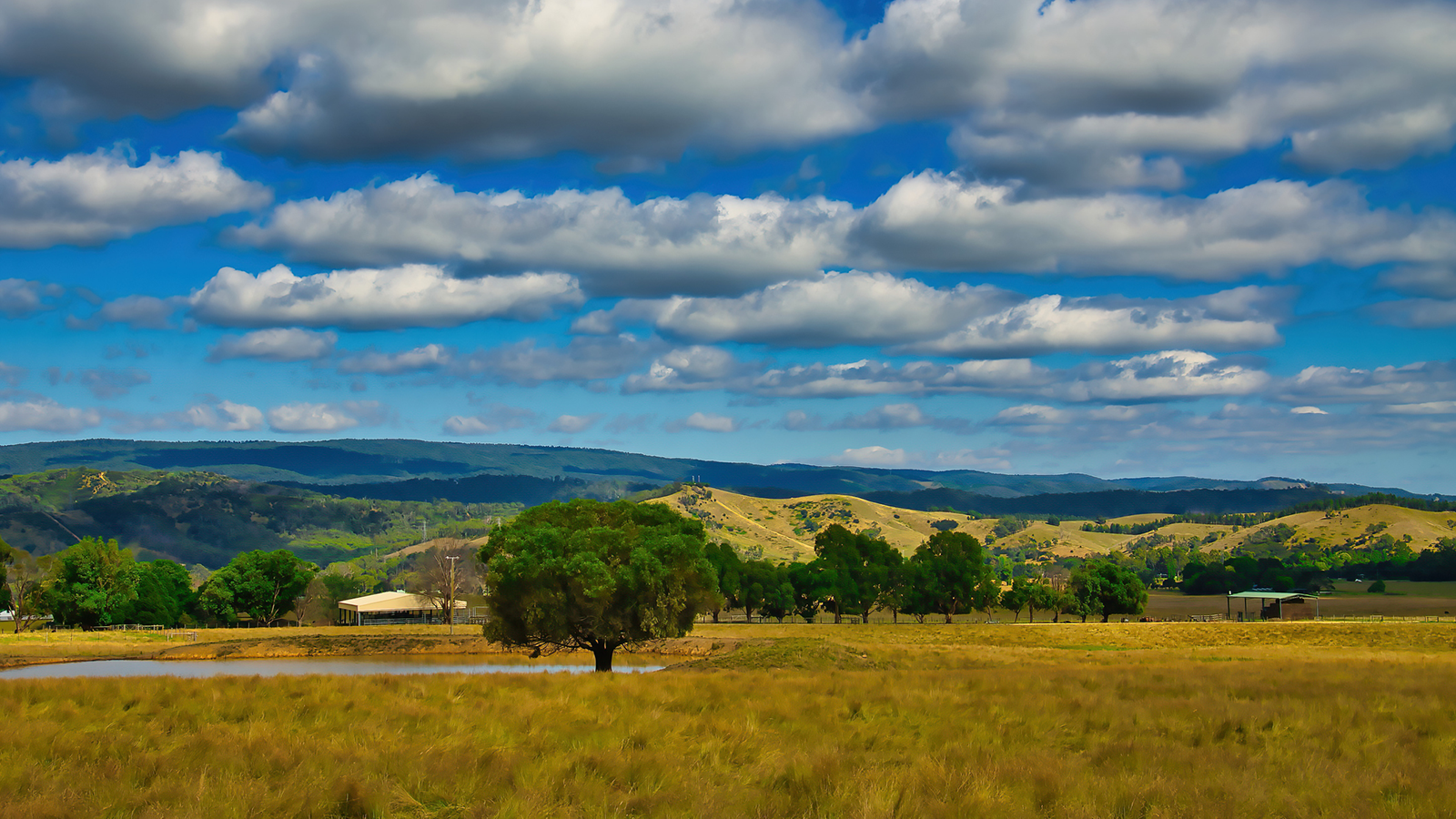
Brunswick South gold-antimony discovery reframes Costerfield's underground future
Monday 20 July 2026
A new deposit 400 metres south of the previously mined Brunswick vein at Costerfield in central Victoria is connecting deep gold mineralisation to historical surface workings, with bonanza-grade gold and significant antimony across the same structure. Alkane Resources (ASX: ALK) has drilled 91 diamond holes since October 2025, defining Brunswick South as a continuous high-grade gold-antimony system sitting 200 metres from existing underground access. Capital development commences Q3 2026.

Australia is closing the university programs its mining industry needs most
Friday 17 July 2026
Mining engineering enrolments across Australian universities fell 68% between 2014 and 2018, dropping from 2,420 students to 770. Completions fell by a similar margin. In 2025, Adelaide University closed its undergraduate mining engineering program to new students, becoming the third Australian university in five years to shut or gut an earth science or mining engineering department. The pipeline that produces the geologists, mining engineers, and field specialists the industry depends on is collapsing at exactly the moment demand is accelerating.
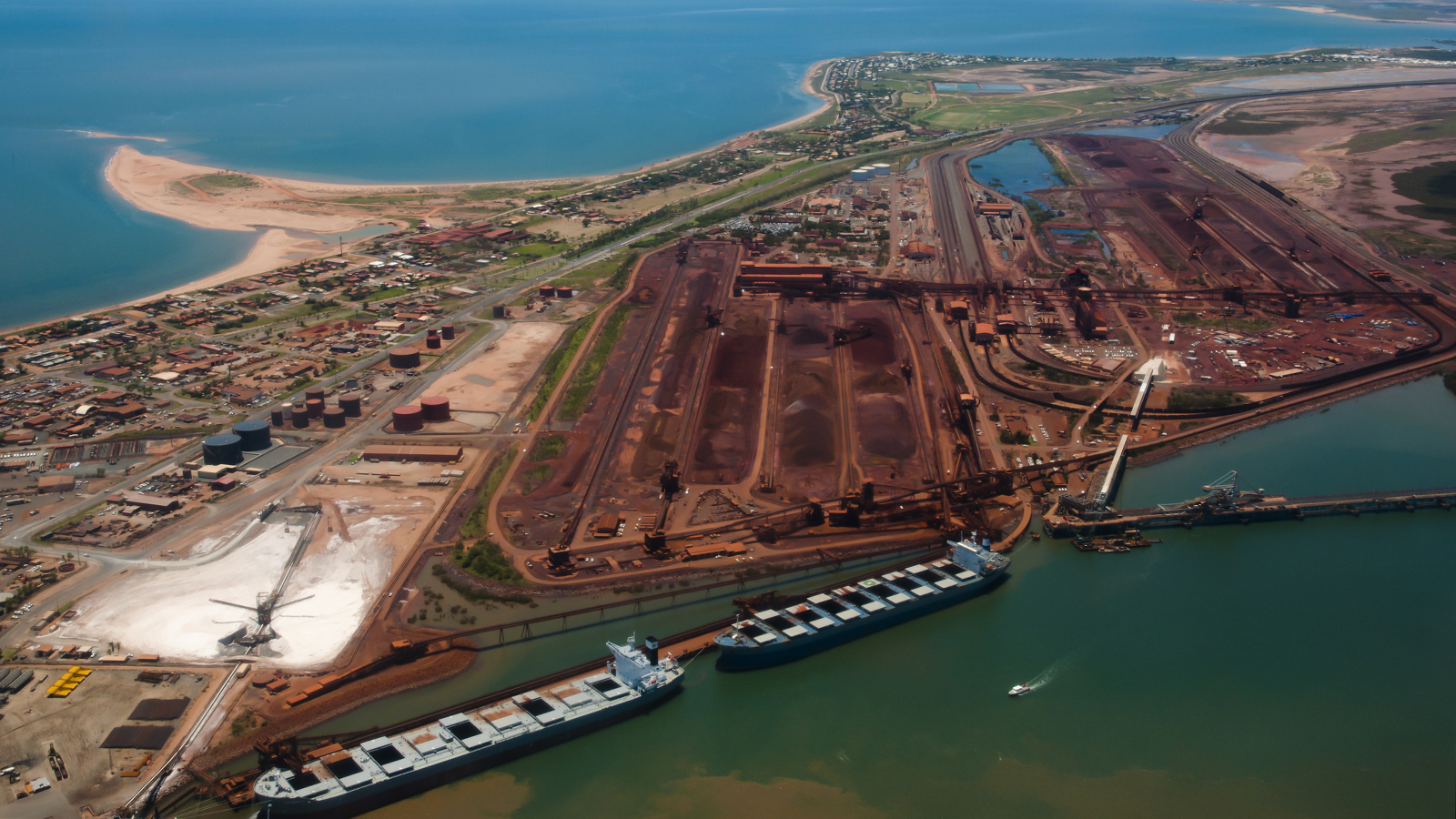
BHP Port Hedland strike threat: first industrial action in decades signals broader workforce pressure across Australian mining
Thursday 16 July 2026
Port Hedland, the world's largest bulk export terminal for iron ore, is facing its first significant industrial action in roughly a quarter of a century. Between 160 and 200 unionised port and maintenance workers at BHP's operations have voted for an eight-hour work stoppage on 16 July 2026, after seven months of stalled enterprise agreement negotiations. The action, coordinated by the Combined Ports Unions including the Western Mine Workers' Alliance, AMWU, and ETU, carries implications well beyond a single shift at a single port.
Environmental compliance on Australian exploration sites: five habits that protect your program
Wednesday 15 July 2026
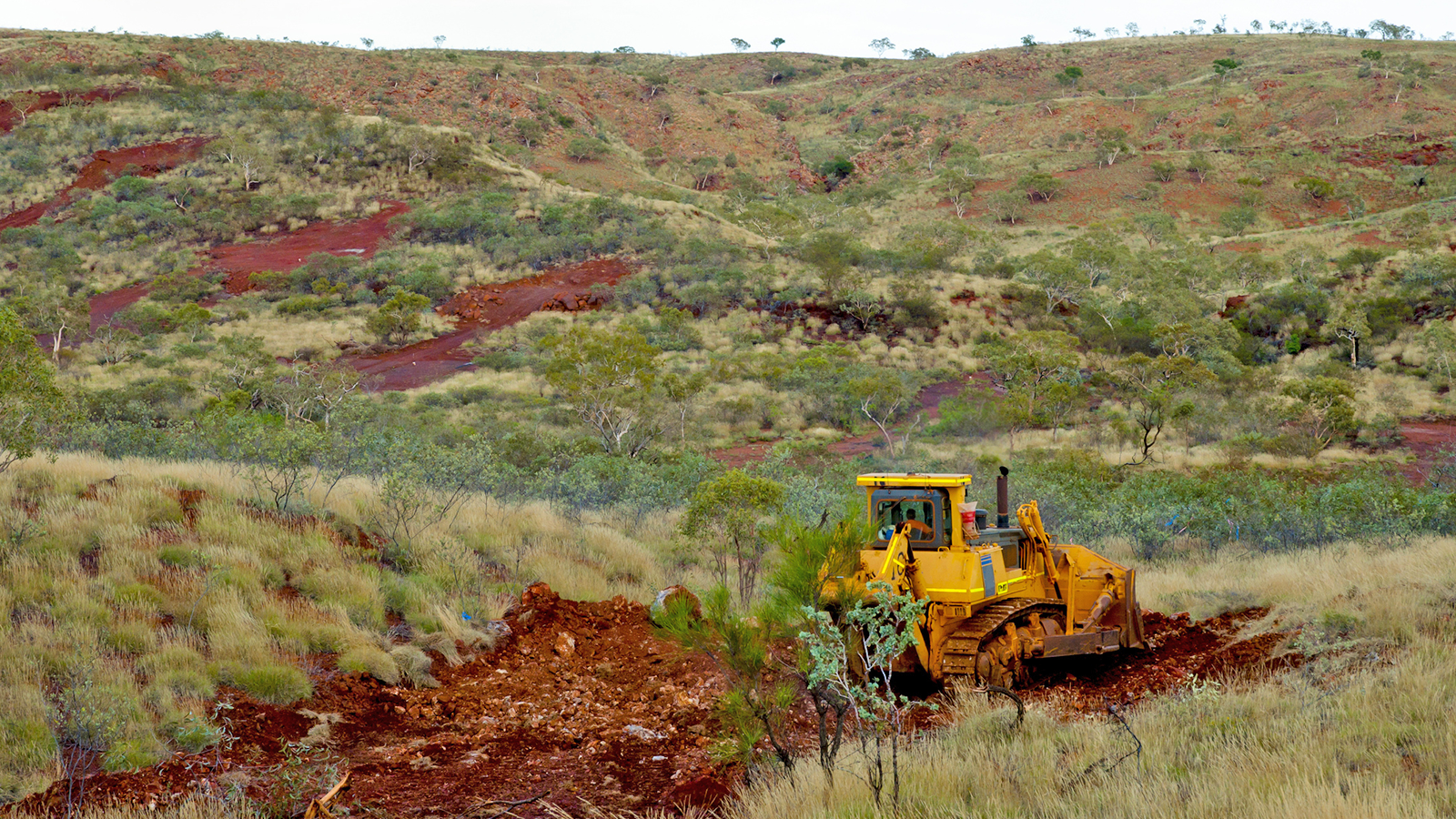
Environmental non-compliance on a drill site rarely announces itself with a formal warning. It begins with a condition that nobody read closely enough, a sediment control that was not installed before the first rainfall, or a fuel drum stored in the wrong place for the wrong amount of time. The consequences compound from there: program shutdowns while investigations proceed, fines that run into tens of thousands of dollars, forfeited rehabilitation bonds, and a compliance history that regulators remember when the next tenement application arrives.

Australian tungsten supply 2026: three projects racing to close the production gap
Tuesday 14 July 2026
Australia holds 12% of the world's tungsten economic resources, second only to China. It produces barely 1% of global output. That disparity has sat quietly in Geoscience Australia's data for years, but in 2026, with Chinese export restrictions tightening and ammonium paratungstate (APT) prices climbing above US$3,000 per metric tonne unit, the gap between what Australia has in the ground and what it puts into the supply chain has become one of the most consequential in the critical minerals sector.
Tunkillia Gold Project: infill drilling upgrades the starter pit zone as Barton Gold enters Pre-Feasibility
Monday 13 July 2026
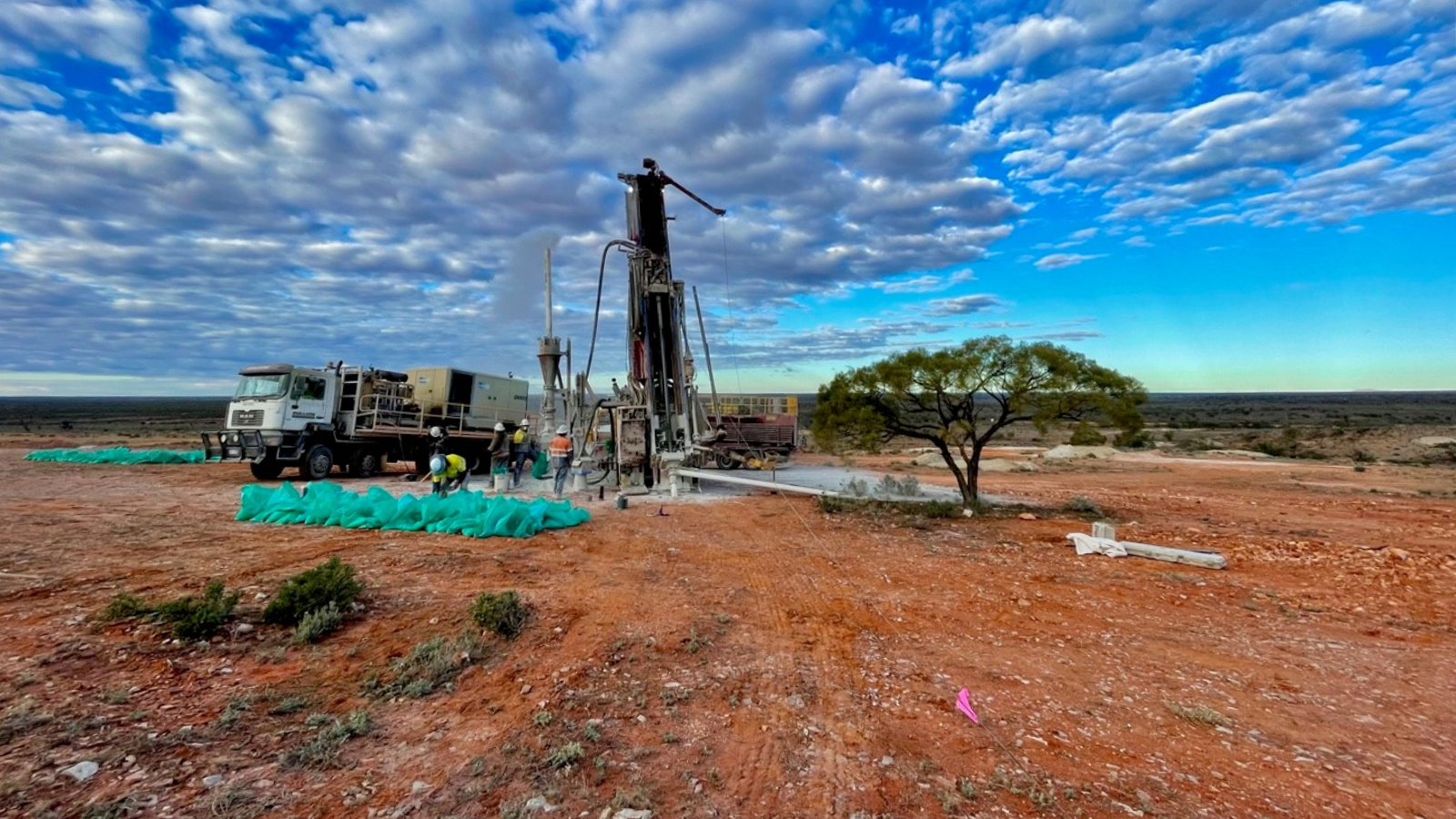
Barton Gold's latest infill drilling at Tunkillia has delivered some of the strongest results to date from the southern end of the Area 223 open pit, the zone modelled to produce the highest-grade ore during the first years of mine life. With a Pre-Feasibility Study now underway and a Mining Lease application planned, these results carry weight beyond the geology: they feed directly into the economics that will determine whether this 1.6 million-ounce deposit becomes a mine.
The $19 Billion Critical Minerals Forecast and the Workforce Gap That Could Derail It
Friday 10 July 2026
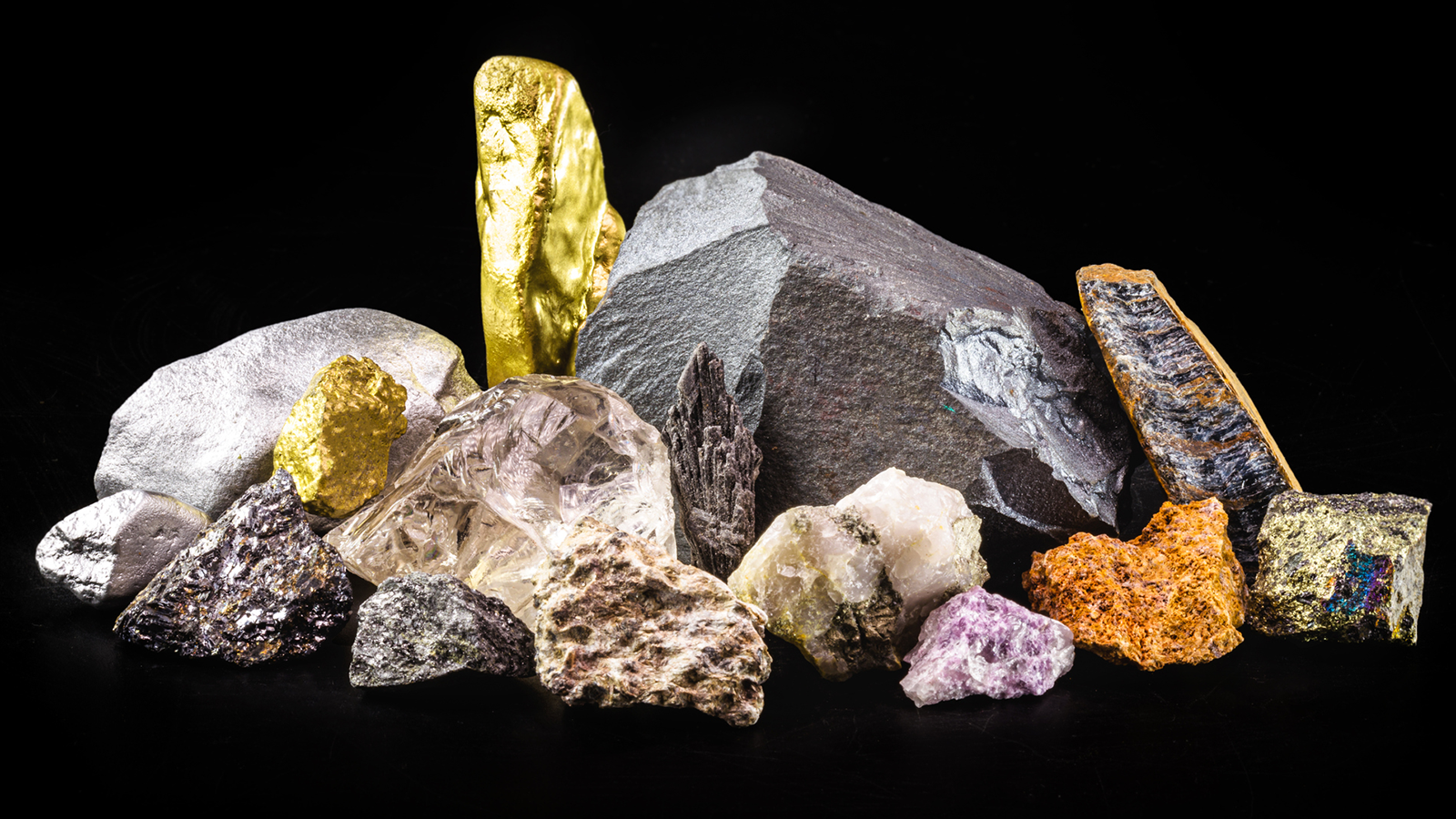
Australia's critical minerals export earnings are forecast to reach A$19 billion by 2030-31, according to the June 2026 Resources and Energy Quarterly released this week by the Department of Industry, Science and Resources. The figure represents a significant step up from $17 billion in 2025-26, driven by compound growth across lithium, manganese, mineral sands, and rare earths. Lithium exports alone are forecast at $13 billion in 2026-27. Rare earth exports are expected to more than triple in nominal terms over the forecast period.
NSW critical minerals royalty deferral: $250 million in relief
Thursday 9 July 2026
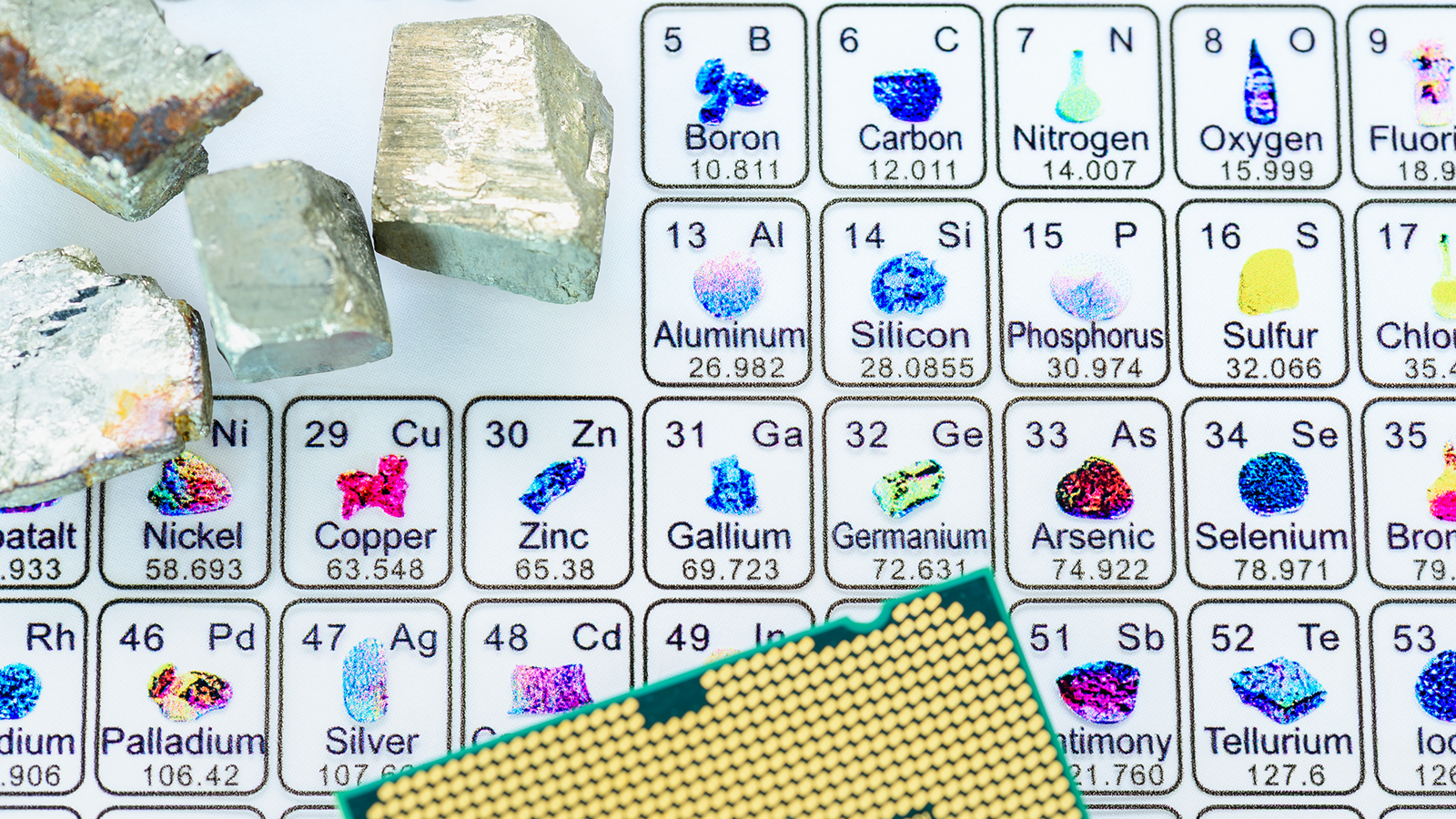
NSW just committed up to $250 million in deferred royalties for new critical minerals mining projects. The 5-year scheme, announced under the NSW Critical Minerals and High-Tech Metals Strategy 2024-35, targets projects commencing production between 1 July 2025 and 30 June 2030.
For the state's exploration and mining sector, this is a direct financial incentive to accelerate the pipeline from feasibility to first production. For the companies planning those projects, the financial relief is welcome. The workforce question it creates is harder to answer.
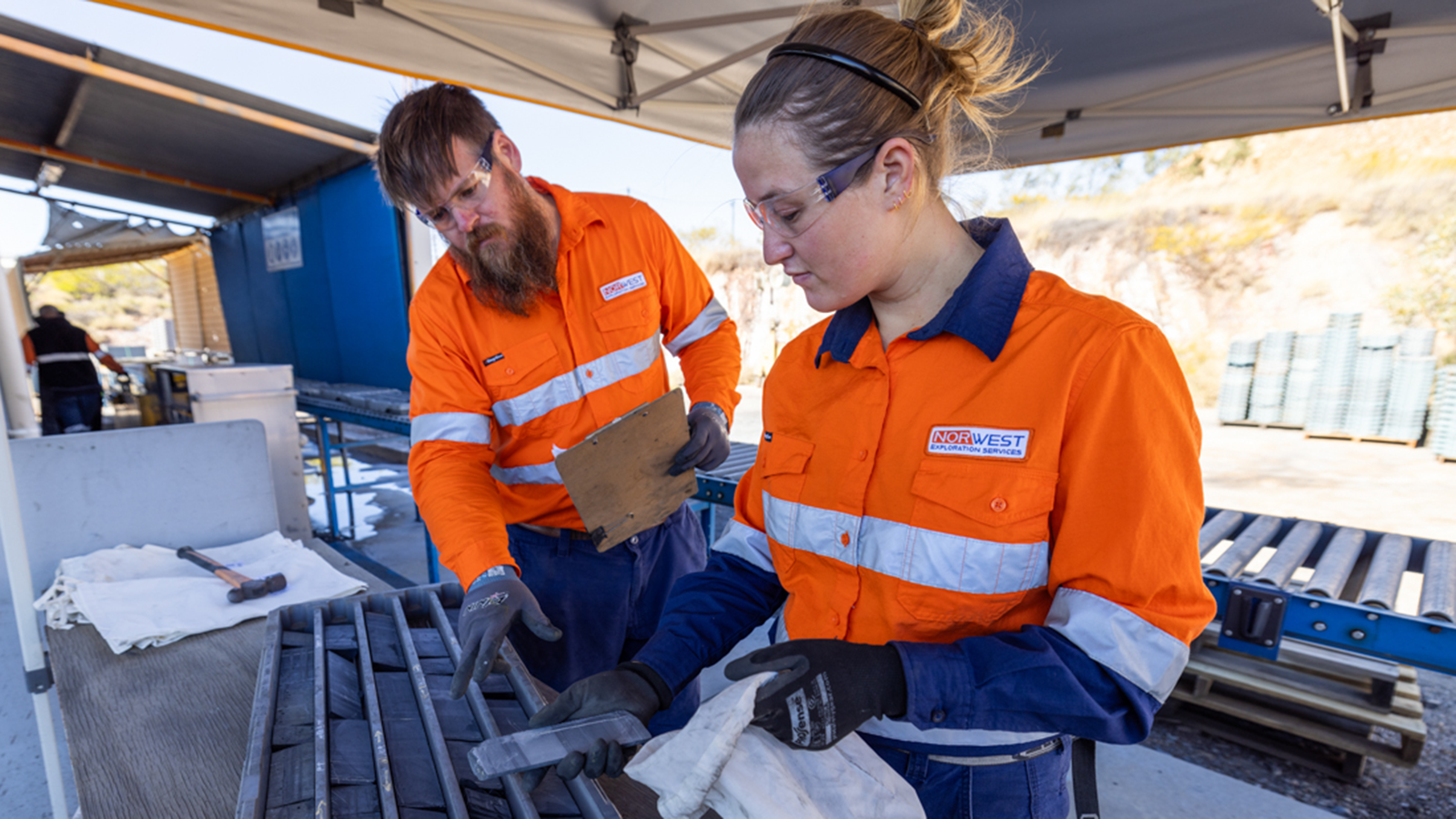
Core cutting and sampling discipline in diamond drilling: five habits that protect your grade
Wednesday 8 July 2026
Incorrect core cutting and sampling technique is one of the most common sources of grade bias in diamond drilling programs. The consequences extend well beyond the core shed. A poorly oriented cut or a biased half-core selection can shift a reported grade by 10-30% from the true value. That margin is enough to change a resource classification, alter an economic assessment, and mislead the investment decisions that follow.

Australian molybdenum supply 2026: a 39% price spike, a 13,000-tonne deficit, and near-zero domestic production
Tuesday 7 July 2026
Molybdenum is trading above US$65,000 per metric tonne, up 39% year-on-year. The global market faces a projected 13,000-tonne supply deficit in 2026. Early last year, China imposed export controls on molybdenum powders, restricting access to roughly 40% of world production. For a metal with no viable substitute in most high-temperature steel applications, these are numbers that concentrate attention.

Australia's mining apprenticeship pipeline: why starting more programs will not close a 56,000-worker gap
Friday 3 July 2026
47%. That is the proportion of trade apprentices who never finish their program in Australia. The figure comes from the National Centre for Vocational Education and Research, and it lands at the worst possible time for an industry already short of skilled workers and facing a decade of accelerating demand.
Australia's mining sector needs an estimated 56,000

Lucky Bay garnet mine closure: 110 jobs cut while Australian exploration spending hits record levels
Thursday 2 July 2026
What happened at Lucky Bay
Mineral Resources (ASX: MIN) announced on 25 June 2026 that it will cease operations at the Lucky Bay Garnet Project near Kalbarri in Western Australia, effective 1 July 2026. The operation will transition to care and maintenance.
The decision was driven by cost pressures that had been compressing margins over the preceding quarters. Rising diesel prices and shippin
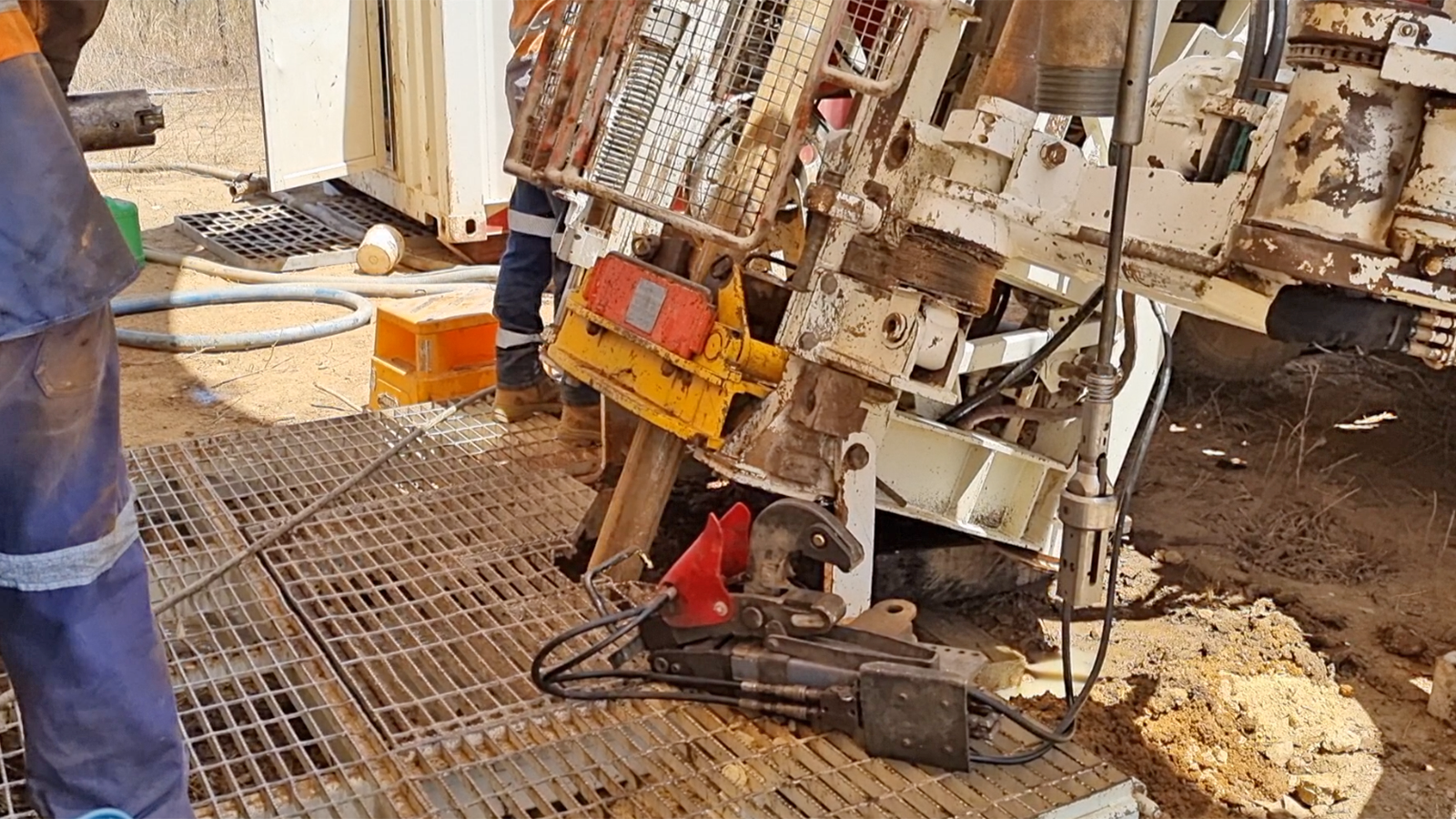
Drill collar survey discipline: five habits that protect your resource model
Wednesday 1 July 2026
Every drill hole in a resource model starts at the collar. The collar coordinates define the surface position from which every downhole intercept, every lithological contact, and every assay interval is projected into three-dimensional space. When those coordinates are wrong, every metre of data below the surface is mislocated by the same amount.
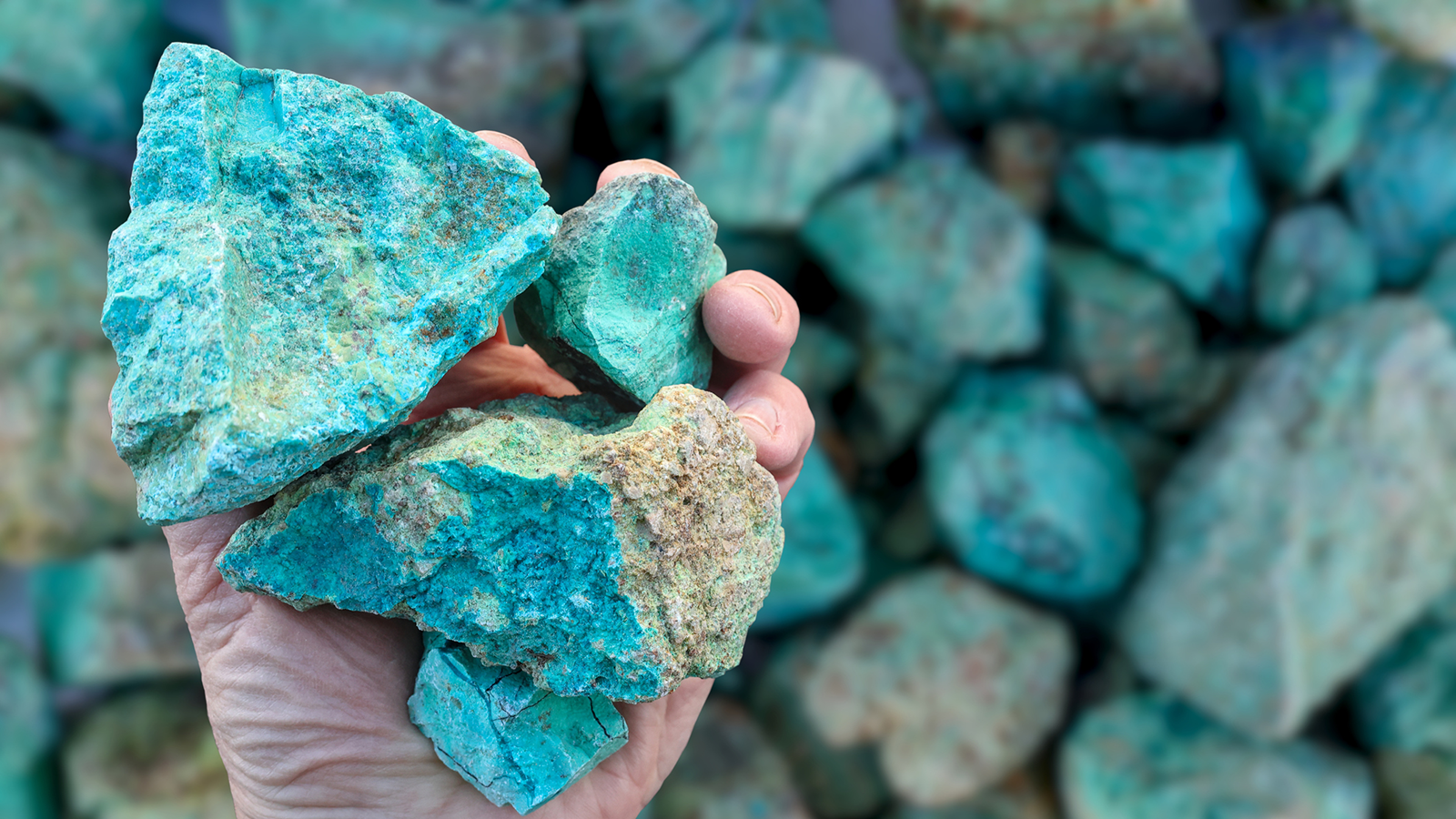
Australian cobalt supply 2026: what the DRC export quota means for exploration
Tuesday 30 June 2026
The Democratic Republic of Congo has drawn a line through global cobalt supply. The country's 2026 export quota caps shipments at 96,600 tonnes, split between 87,000 tonnes allocated to existing producers and 9,600 tonnes held as a strategic government reserve. In 2024, the DRC produced roughly 204,000 tonnes, meaning the quota removes more than half of the world's largest cobalt source from international markets almost overnight. The projected market deficit for 2026 is 10,700 tonnes.
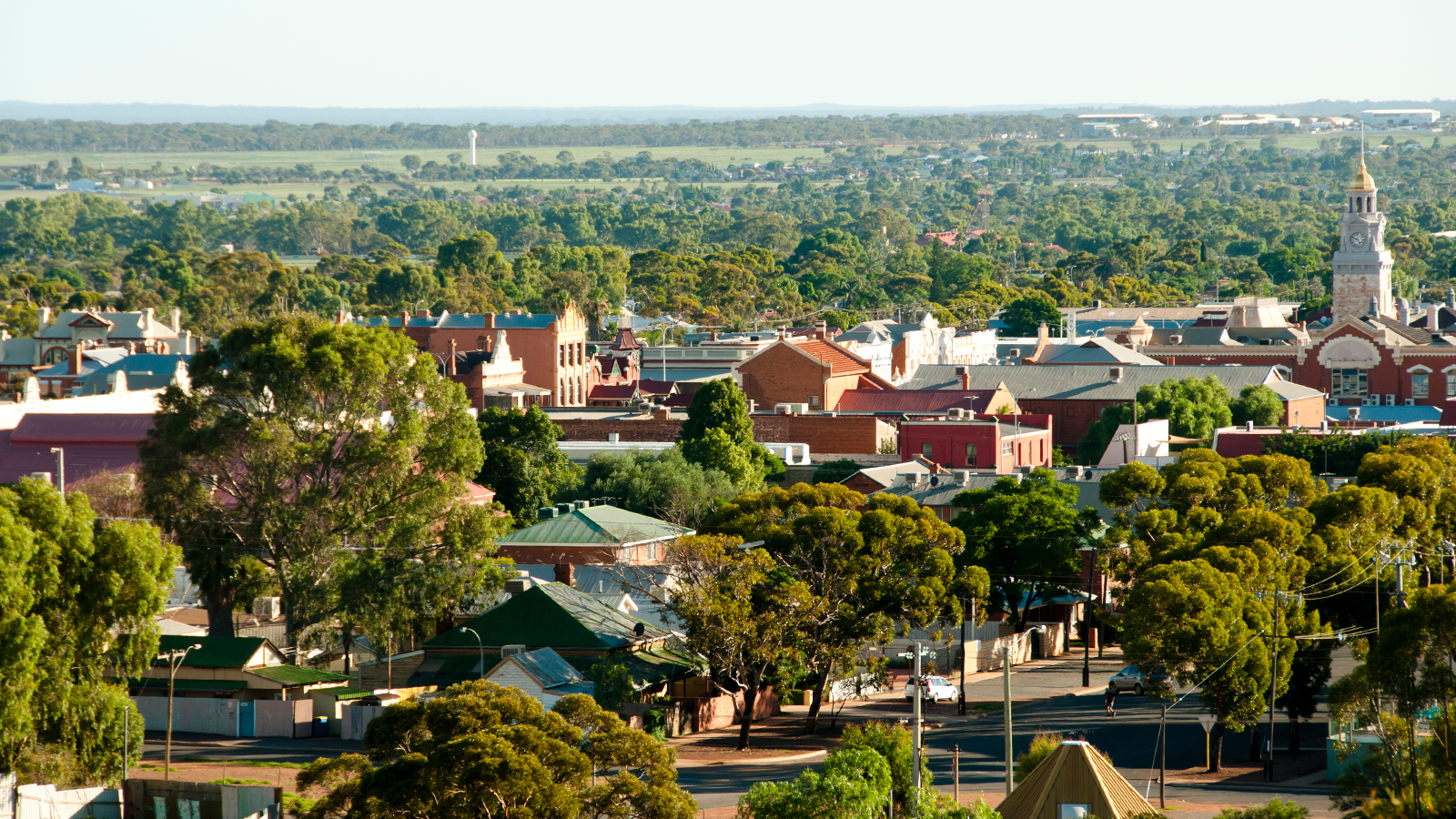
Regional housing: the hidden bottleneck throttling Australia's mining workforce
Friday 26 June 2026
Karratha's rental vacancy rate dropped to 0.1% in April 2026. That is one available rental for every thousand properties in one of Australia's most operationally significant mining towns, and it tells you more about the state of the mining workforce pipeline than any skills shortage report published this year.
Future of Mining Perth 2026: the skills gap is now mining's most urgent risk
Thursday 25 June 2026
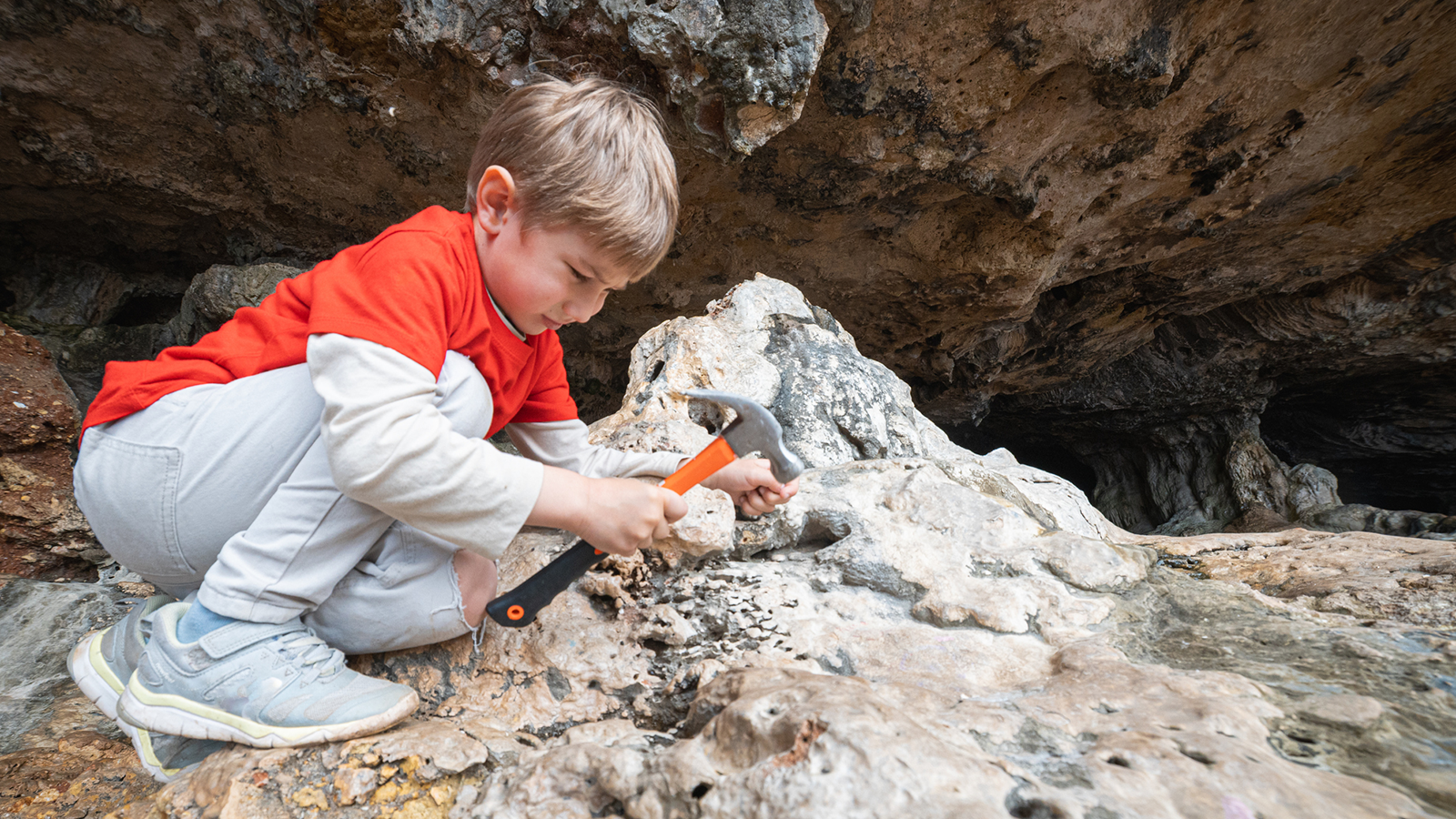
On 16-17 June 2026, Aspermont brought 1,800 mining executives together at Crown Perth for the Future of Mining Australia conference. The event ran 62 sessions across multiple streams, with more than 100 speakers drawn from producers, explorers, service providers, government, and academia.

Site induction habits for exploration field teams: five practices that set your crew up from day one
Wednesday 24 June 2026
Why site inductions matter more than most projects give them credit for
A poorly inducted field worker loses two to three days of productivity before they find their feet on a new project. That sounds manageable until you multiply it across a five-person drill crew running a six-week program. Ten to fifteen lost person-days before usable data starts flowing into the database is a significant cost on any exploration budget, and the direct productivity loss is only part of the problem.
Silver Price Record and Structural Deficit: What It Means for Australian Exploration in 2026
Tuesday 23 June 2026
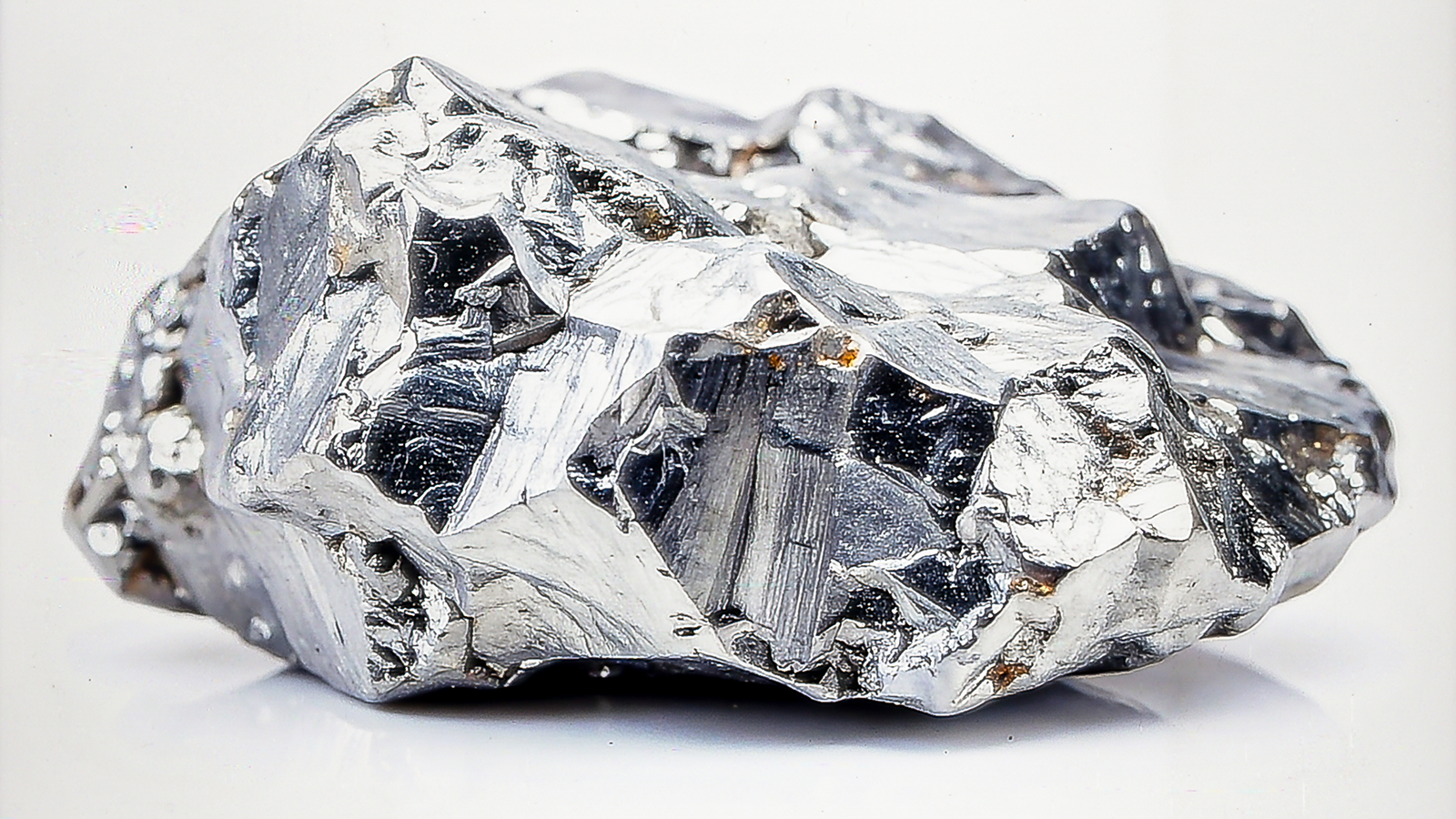
Silver traded above US$120 per ounce in January 2026, setting a new nominal record that more than doubled the previous high from 1980. The rally capped a year in which prices climbed from around US$28-30 at the start of 2025 to above US$70 by year-end, driven by a convergence of industrial demand growth, investment buying, and persistent supply constraints. Even after a sharp correction to around US$65/oz by mid-June 2026, the price sits at levels that would have seemed implausible two years ago.